

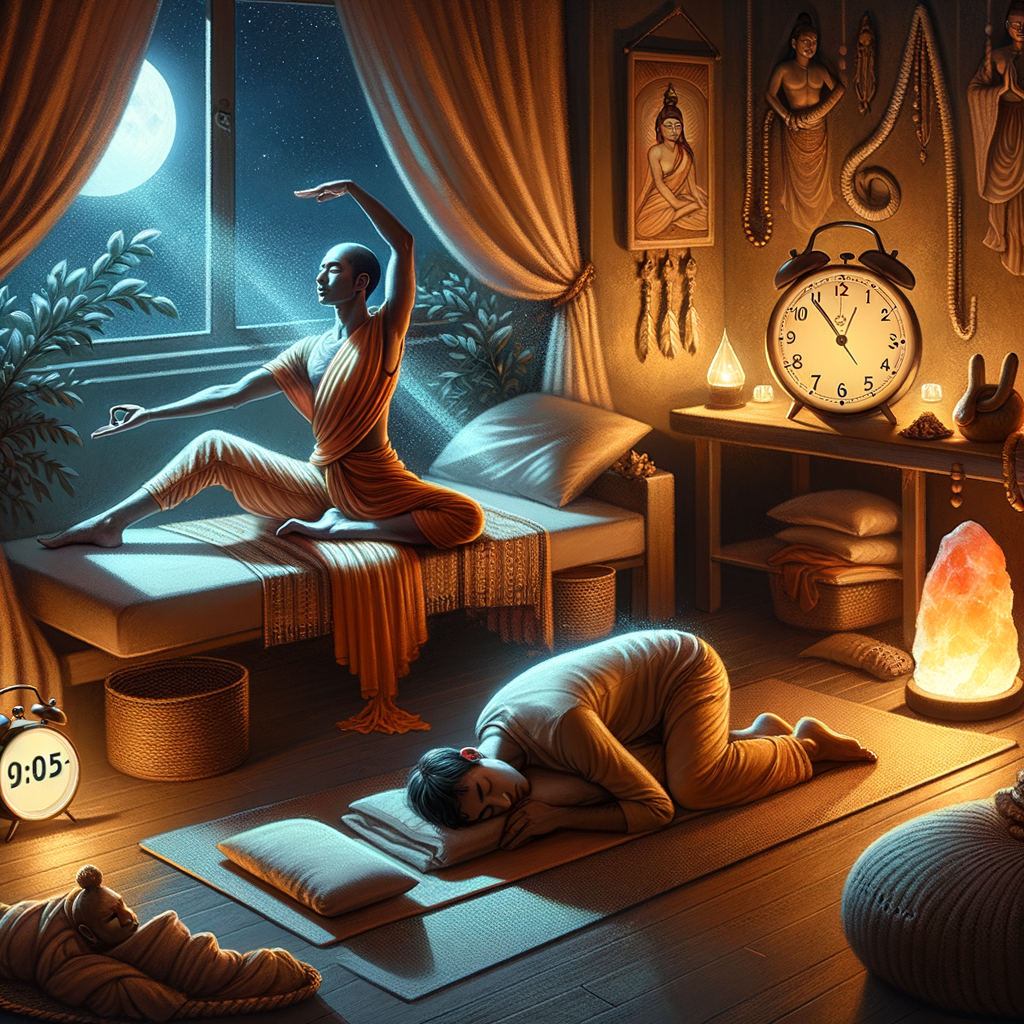
The Ancient Yogic Trick to Fall Asleep in 60 Seconds
Table of Contents
Introduction
The ancient yogic trick to fall asleep in 60 seconds is a breathing technique known as the “4-7-8” method. This technique involves inhaling for four seconds, holding the breath for seven seconds, and exhaling for eight seconds. It is said to calm the mind and body, allowing for a quick and restful sleep. This method has been used for centuries by yogis and is now gaining popularity as a natural sleep aid for those struggling with insomnia or other sleep-related issues.The Science Behind the Ancient Yogic Trick for Quick Sleep
The Ancient Yogic Trick to Fall Asleep in 60 Seconds Sleep is an essential part of our lives, yet many people struggle to fall asleep quickly and easily. The ancient practice of yoga offers a solution to this problem with a simple trick that can help you fall asleep in just 60 seconds. This technique, known as the “4-7-8” breathing method, has been used for centuries by yogis to induce a state of relaxation and calmness, making it easier to drift off to sleep. The science behind this ancient yogic trick is based on the principles of pranayama, or breath control. Pranayama is a key component of yoga practice and involves regulating the breath to achieve a specific outcome. In the case of the 4-7-8 method, the goal is to slow down the breath and activate the parasympathetic nervous system, which is responsible for the body’s “rest and digest” functions. When we are stressed or anxious, our sympathetic nervous system is activated, which triggers the “fight or flight” response. This can make it difficult to fall asleep, as our bodies are in a state of heightened alertness. By using the 4-7-8 method, we can counteract this response and encourage our bodies to relax and prepare for sleep. The technique involves inhaling for a count of four, holding the breath for a count of seven, and exhaling for a count of eight. This pattern of breathing helps to slow down the heart rate and lower blood pressure, which are both important factors in achieving a state of relaxation. Additionally, the focus on counting and controlling the breath can help to quiet the mind and reduce racing thoughts that may be keeping you awake. To practice the 4-7-8 method, find a comfortable position lying down in bed. Close your eyes and take a deep breath in through your nose for a count of four. Hold the breath for a count of seven, then exhale slowly and completely through your mouth for a count of eight. Repeat this cycle three to four times, or until you feel yourself becoming more relaxed and drowsy. It’s important to note that this technique may not work for everyone on the first try. Like any new skill, it may take some practice to master. However, with consistent use, the 4-7-8 method can become a powerful tool in your sleep arsenal, helping you to fall asleep quickly and easily whenever you need to. In addition to its sleep-inducing benefits, the 4-7-8 method can also be used to reduce stress and anxiety throughout the day. By taking a few moments to practice this breathing technique, you can calm your mind and body, making it easier to handle whatever challenges come your way. In conclusion, the ancient yogic trick of the 4-7-8 breathing method offers a simple and effective way to fall asleep in just 60 seconds. By harnessing the power of pranayama and activating the parasympathetic nervous system, this technique can help you achieve a state of relaxation and calmness that is conducive to a good night’s sleep. So next time you find yourself tossing and turning, give the 4-7-8 method a try and see how quickly you can drift off to dreamland.How to Master the 60-Second Sleep Technique from Ancient Yoga
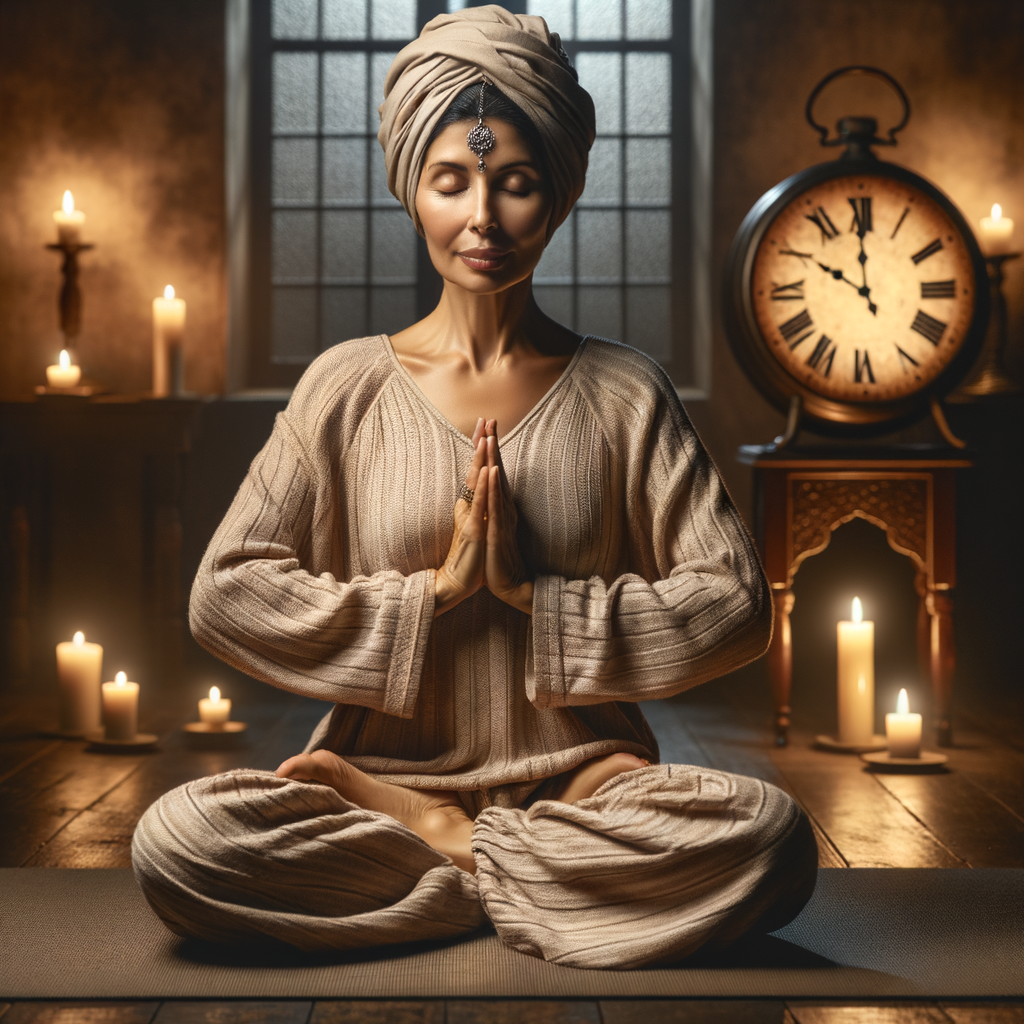
The Ancient Yogic Trick to Fall Asleep in 60 Seconds Sleep is an essential part of our lives, yet many people struggle to fall asleep quickly and easily. The good news is that there is an ancient yogic trick that can help you fall asleep in just 60 seconds. This technique, known as the 60-second sleep technique, has been used for centuries by yogis to calm the mind and body, and induce a state of deep relaxation. The 60-second sleep technique is based on the principle of controlling the breath. In yoga, the breath is considered to be the bridge between the mind and the body. By controlling the breath, you can control the mind and the body, and induce a state of relaxation that is conducive to sleep. To master the 60-second sleep technique, you need to start by finding a comfortable position. You can lie down on your back, with your arms by your sides and your legs slightly apart. Close your eyes and take a few deep breaths to relax your body. Next, you need to focus on your breath. Inhale deeply through your nose, filling your lungs with air. Hold your breath for a few seconds, and then exhale slowly through your mouth. As you exhale, imagine all the tension and stress leaving your body. Repeat this breathing pattern for a few minutes, focusing on the sensation of the breath moving in and out of your body. As you continue to breathe deeply and slowly, you will start to feel more relaxed and calm. Once you have established a steady breathing pattern, you can start to incorporate the 60-second sleep technique. To do this, you need to focus on the space between your eyebrows, known as the third eye. This is the point where the yogis believe the mind and the body meet. As you continue to breathe deeply, imagine a warm, soothing light emanating from your third eye. This light is calming and relaxing, and it helps to quiet the mind and the body. As you focus on this light, you will start to feel more and more relaxed, and you will find it easier to fall asleep. The key to mastering the 60-second sleep technique is to practice it regularly. The more you practice, the easier it will become to fall asleep quickly and easily. You can also use this technique during the day to help you relax and de-stress. In conclusion, the 60-second sleep technique is an ancient yogic trick that can help you fall asleep in just 60 seconds. By controlling your breath and focusing on the third eye, you can induce a state of deep relaxation that is conducive to sleep. With regular practice, you can master this technique and enjoy a better night’s sleep.





Comments