

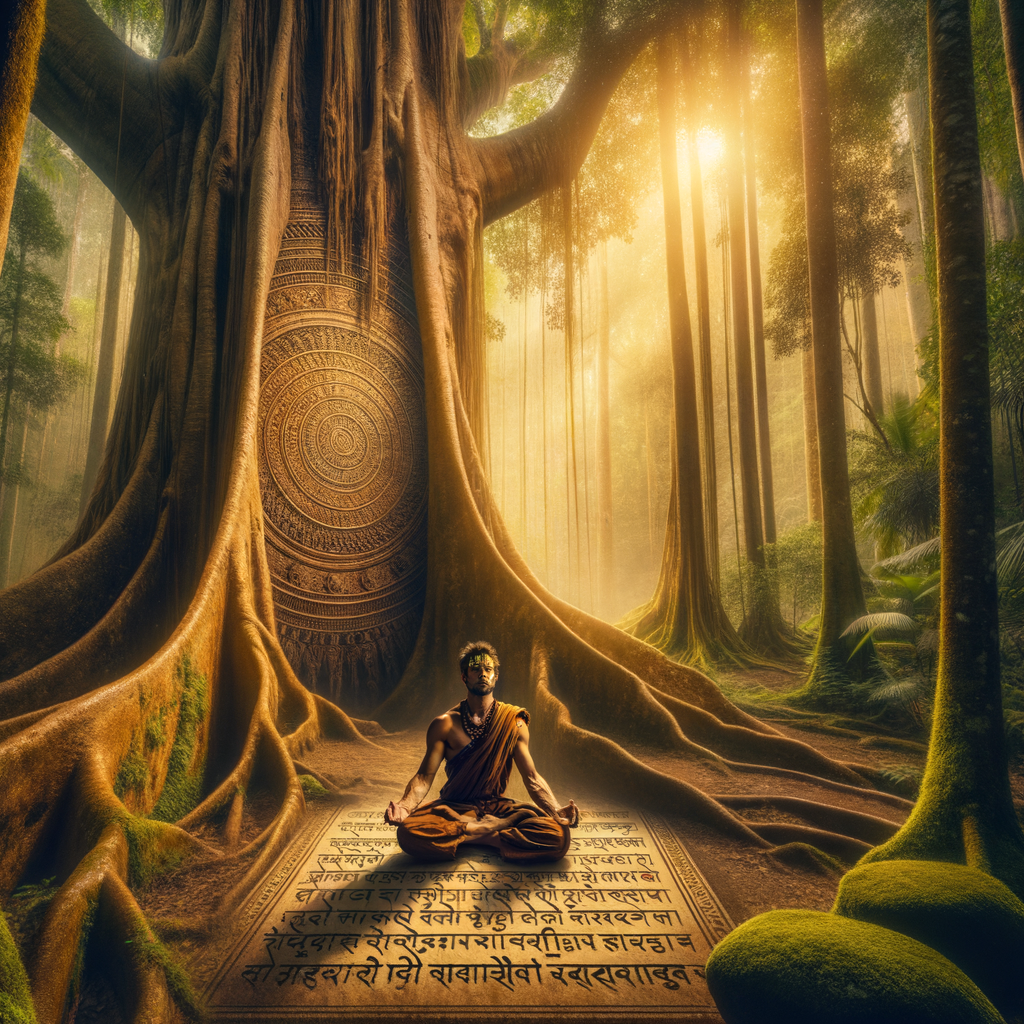
The Ancient Yogic Secret to Unshakeable Inner Peace
Table of Contents
- Introduction
- Exploring the Power of Pranayama: The Ancient Yogic Breath Control Technique for Inner Peace
- The Role of Meditation in Achieving Unshakeable Inner Peace: Insights from Ancient Yogic Wisdom
- Unlocking the Secrets of the Yamas and Niyamas: How Ancient Yogic Principles Can Cultivate Lasting Inner Peace
- Conclusion
Introduction
The ancient yogic secret to unshakeable inner peace is a practice that has been passed down through generations of yogis and spiritual seekers. It is a combination of physical postures, breathing techniques, meditation, and ethical principles that work together to create a sense of calm and tranquility within the practitioner. This secret is not just about finding temporary relief from stress and anxiety, but about cultivating a deep and lasting sense of inner peace that remains unshaken by the ups and downs of life. By incorporating these ancient practices into our daily lives, we can learn to live with greater ease, contentment, and joy.Exploring the Power of Pranayama: The Ancient Yogic Breath Control Technique for Inner Peace
The Ancient Yogic Secret to Unshakeable Inner Peace In the fast-paced world we live in, finding inner peace can seem like an elusive goal. With the constant demands of work, family, and social obligations, it’s easy to feel overwhelmed and stressed out. However, there is an ancient yogic secret that can help us achieve unshakeable inner peace, and it’s called pranayama. Pranayama is a Sanskrit word that means “control of the breath.” It is a powerful technique that has been used for thousands of years by yogis to calm the mind and bring balance to the body. The practice of pranayama involves a series of breathing exercises that are designed to help us connect with our breath and control its flow. The breath is often referred to as the bridge between the body and the mind. When we are stressed or anxious, our breath becomes shallow and rapid. This can lead to a host of physical and mental health problems, including high blood pressure, anxiety, and depression. By learning to control our breath, we can calm our minds and bring balance to our bodies. One of the most basic pranayama techniques is called “deep belly breathing.” This involves taking slow, deep breaths that fill the belly, rather than the chest. This type of breathing activates the parasympathetic nervous system, which is responsible for the “rest and digest” response. It helps to lower our heart rate, reduce stress, and promote relaxation. Another popular pranayama technique is called “alternate nostril breathing.” This involves closing one nostril with the thumb and inhaling through the other nostril, then closing the other nostril with the ring finger and exhaling through the first nostril. This technique is said to balance the left and right hemispheres of the brain, which can help to reduce stress and improve focus. Pranayama can be practiced anywhere, at any time. It doesn’t require any special equipment or clothing, and it can be done sitting, standing, or lying down. The key is to find a quiet, comfortable place where you can focus on your breath without distractions. The benefits of pranayama are not just limited to reducing stress and anxiety. It can also help to improve lung function, increase energy levels, and boost the immune system. It can even help to improve sleep quality and reduce symptoms of asthma and other respiratory conditions. Incorporating pranayama into your daily routine can be a simple and effective way to achieve inner peace. It can be done first thing in the morning to start the day off on the right foot, or in the evening to wind down before bed. It can also be done throughout the day as a way to reset and recharge. In conclusion, pranayama is an ancient yogic secret that can help us achieve unshakeable inner peace. By learning to control our breath, we can calm our minds, bring balance to our bodies, and improve our overall health and well-being. So the next time you’re feeling stressed or overwhelmed, take a few moments to focus on your breath and experience the power of pranayama for yourself.The Role of Meditation in Achieving Unshakeable Inner Peace: Insights from Ancient Yogic Wisdom

The Ancient Yogic Secret to Unshakeable Inner Peace In today’s fast-paced world, inner peace can often seem like an elusive concept. With the constant demands of work, family, and social obligations, it can be challenging to find a moment of tranquility. However, the ancient practice of yoga offers a solution to this modern-day dilemma. Through the practice of meditation, individuals can tap into a deep well of inner peace that remains unshakeable, even in the face of life’s challenges. Meditation has been a cornerstone of yogic practice for thousands of years. The ancient yogis understood that the mind is the source of all suffering and that by quieting the mind, one can achieve a state of inner peace. This is achieved through the practice of meditation, which involves focusing the mind on a single point of concentration, such as the breath or a mantra. By doing so, the practitioner can quiet the constant chatter of the mind and enter a state of deep relaxation. The benefits of meditation are well-documented. Studies have shown that regular meditation practice can reduce stress, anxiety, and depression. It can also improve focus, concentration, and overall well-being. But perhaps the most profound benefit of meditation is the sense of inner peace it can bring. When the mind is quiet, the practitioner can connect with their true self, which is beyond the ego and the constant fluctuations of the mind. This connection brings a sense of calm and contentment that is not dependent on external circumstances. One of the key teachings of yoga is that true happiness comes from within. The ancient yogis believed that the source of all suffering is the attachment to the external world and the constant pursuit of pleasure and avoidance of pain. By turning inward through meditation, the practitioner can break free from this cycle of suffering and find a sense of peace that is not dependent on external factors. The practice of meditation is not always easy. It requires discipline, patience, and dedication. The mind is a powerful force, and it can be challenging to quiet its constant chatter. However, with regular practice, the mind can be trained to focus on the present moment, and the practitioner can experience the profound benefits of meditation. In conclusion, the ancient yogic secret to unshakeable inner peace lies in the practice of meditation. By quieting the mind and connecting with the true self, individuals can find a sense of calm and contentment that is not dependent on external circumstances. The benefits of meditation are numerous, and with regular practice, anyone can tap into this ancient wisdom and find a sense of inner peace that remains unshakeable, even in the face of life’s challenges.





Comments