

The Ancient Chinese Secret to Emotional Balance
Table of Contents
Introduction
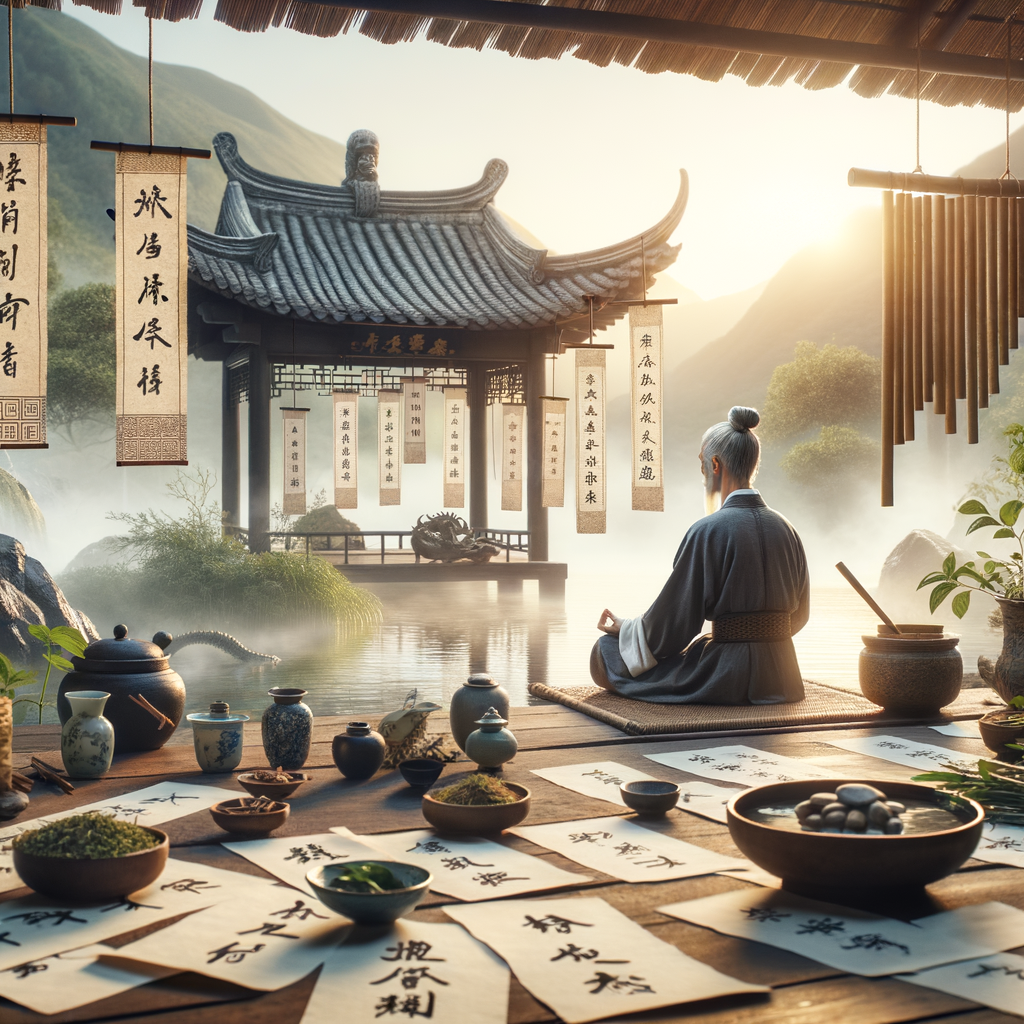
The Ancient Chinese Secret to Emotional Balance is rooted in the philosophy of Taoism and Traditional Chinese Medicine. It involves the practice of balancing the body’s energy, or Qi, through various techniques such as acupuncture, herbal remedies, and meditation. This holistic approach to emotional well-being emphasizes the importance of harmony between the mind, body, and spirit, and has been used for centuries to promote mental and emotional health.The Power of Qi: Understanding the Ancient Chinese Secret to Emotional Balance
The concept of Qi, pronounced as “chee,” is an ancient Chinese belief that has been practiced for thousands of years. It is the belief that there is a vital energy that flows through all living things, and when this energy is balanced, it leads to emotional and physical well-being. The idea of Qi is deeply rooted in Chinese culture and is an essential aspect of traditional Chinese medicine, martial arts, and philosophy. Qi is often described as the life force that flows through the body, and it is believed that when this energy is blocked or unbalanced, it can lead to emotional and physical ailments. The ancient Chinese believed that by understanding and harnessing the power of Qi, one could achieve emotional balance and overall well-being. This belief has been passed down through generations and is still practiced today in various forms, including acupuncture, Tai Chi, and Qigong. Acupuncture is a traditional Chinese medicine practice that involves the insertion of thin needles into specific points on the body to stimulate the flow of Qi. This practice is based on the belief that the body has a network of energy pathways, known as meridians, that can become blocked or unbalanced. By stimulating these points, acupuncture aims to restore the balance of Qi and promote emotional and physical health. Tai Chi is a form of martial arts that is also based on the concept of Qi. It is a slow and gentle exercise that involves a series of movements that are designed to improve the flow of Qi throughout the body. Tai Chi is often described as a moving meditation, as it requires focus and concentration to perform the movements correctly. It is believed that by practicing Tai Chi regularly, one can achieve emotional balance and improve overall health. Qigong is another practice that is based on the concept of Qi. It is a combination of physical movements, breathing exercises, and meditation that is designed to improve the flow of Qi in the body. Qigong is often used as a form of self-healing and is believed to be effective in reducing stress, improving mental clarity, and promoting emotional balance. The ancient Chinese believed that the key to emotional balance was to maintain a harmonious flow of Qi in the body. They believed that when Qi was balanced, it led to a sense of inner peace and well-being. This belief is still relevant today, as many people seek out practices such as acupuncture, Tai Chi, and Qigong to improve their emotional health. In conclusion, the ancient Chinese secret to emotional balance lies in the power of Qi. By understanding and harnessing this vital energy, one can achieve a sense of inner peace and well-being. Whether through acupuncture, Tai Chi, or Qigong, the practice of balancing Qi is a timeless tradition that continues to be relevant in today’s fast-paced world. By incorporating these practices into our daily lives, we can improve our emotional health and achieve a sense of balance and harmony.The Role of Traditional Chinese Medicine in Achieving Emotional Harmony
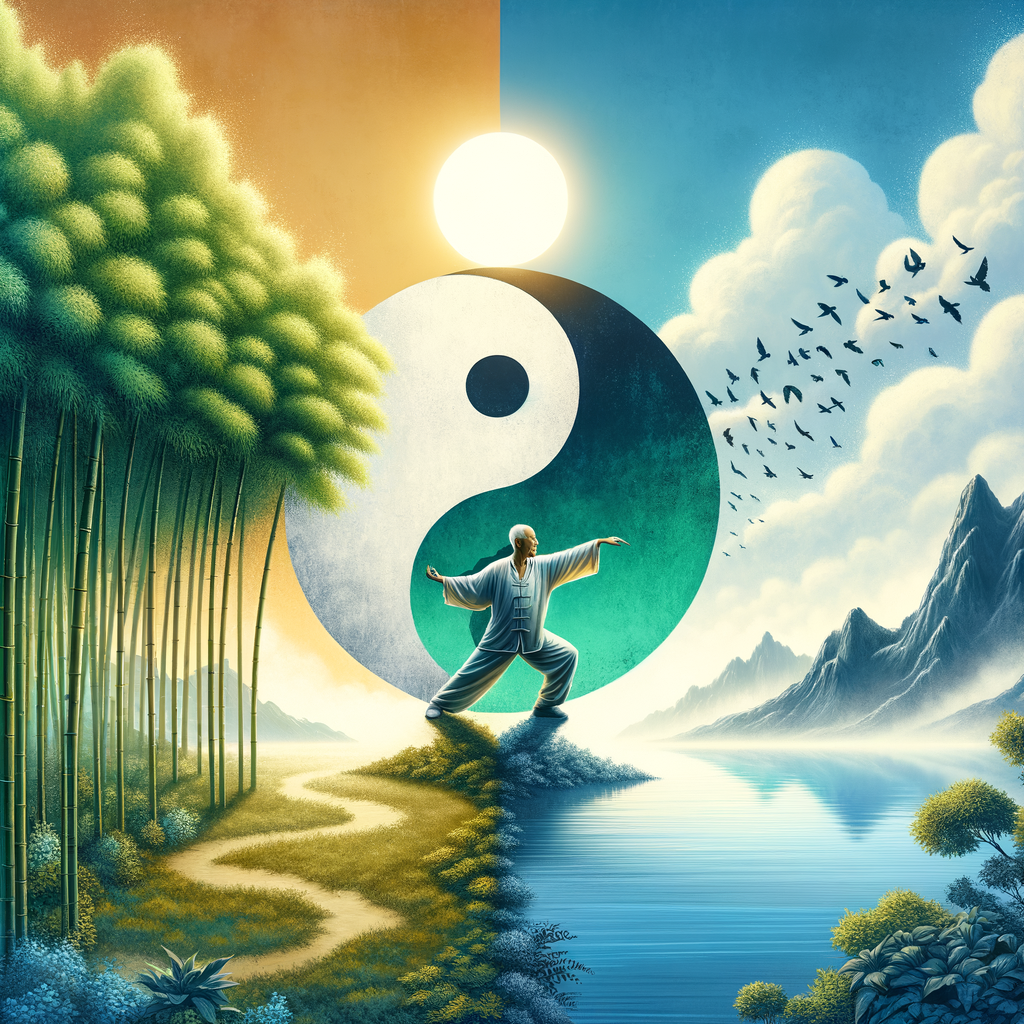
The Ancient Chinese Secret to Emotional Balance Traditional Chinese Medicine (TCM) has been practiced for thousands of years and is still widely used today as a holistic approach to health and wellness. One of the key principles of TCM is the concept of balance, particularly in relation to the body’s emotional state. According to TCM, emotional imbalances can lead to physical ailments, and vice versa. Therefore, achieving emotional harmony is essential for overall health and well-being. In TCM, emotions are closely linked to the body’s internal organs and the flow of Qi, or vital energy, throughout the body. Each organ is associated with a specific emotion, and when that organ is out of balance, it can manifest as an emotional disturbance. For example, the liver is associated with anger, the heart with joy, the spleen with worry, the lungs with sadness, and the kidneys with fear. When these emotions become excessive or repressed, it can lead to an imbalance in the corresponding organ, resulting in physical symptoms. To achieve emotional balance, TCM practitioners use a variety of techniques, including acupuncture, herbal medicine, and dietary therapy. Acupuncture involves the insertion of fine needles into specific points on the body to stimulate the flow of Qi and restore balance to the organs. Herbal medicine uses natural plant and mineral substances to address imbalances and support the body’s healing processes. Dietary therapy focuses on eating a balanced diet that supports the health of the organs and promotes emotional well-being. One of the key concepts in TCM is the idea of Yin and Yang, which represents the balance of opposing forces in the body. Yin is associated with qualities such as coolness, darkness, and stillness, while Yang is associated with warmth, light, and activity. When Yin and Yang are in balance, the body is in a state of harmony, and emotions are stable. However, when there is an imbalance, it can lead to emotional disturbances and physical symptoms. TCM practitioners also emphasize the importance of lifestyle factors in achieving emotional balance. This includes getting regular exercise, managing stress, and getting enough sleep. These practices help to support the body’s natural rhythms and promote the flow of Qi, which is essential for emotional harmony. In addition to these techniques, TCM also recognizes the importance of the mind-body connection in achieving emotional balance. Practices such as meditation and mindfulness can help to calm the mind and reduce stress, which in turn supports the health of the organs and the flow of Qi. By cultivating a sense of inner peace and tranquility, individuals can achieve a greater sense of emotional balance and well-being. Overall, TCM offers a comprehensive approach to achieving emotional harmony that addresses the body, mind, and spirit. By focusing on the interconnectedness of the body’s organs and emotions, TCM practitioners can help individuals achieve a state of balance and well-being that supports their overall health. Whether through acupuncture, herbal medicine, dietary therapy, or lifestyle practices, TCM offers a wealth of tools and techniques for achieving emotional balance and living a healthy, harmonious life.





Comments