


Overcoming Imposter Syndrome: Building Self-Confidence through Therapy
Table of Contents
Introduction
Imposter syndrome is a psychological phenomenon where individuals doubt their abilities and fear being exposed as a fraud. It can affect anyone, regardless of their level of success or expertise. Overcoming imposter syndrome involves building self-confidence and recognizing one’s own accomplishments. Therapy can be an effective tool in addressing imposter syndrome, as it provides a safe space to explore and challenge negative thought patterns and beliefs. Through therapy, individuals can learn to embrace their achievements and develop a more positive self-image.The Role of Therapy in Overcoming Imposter Syndrome
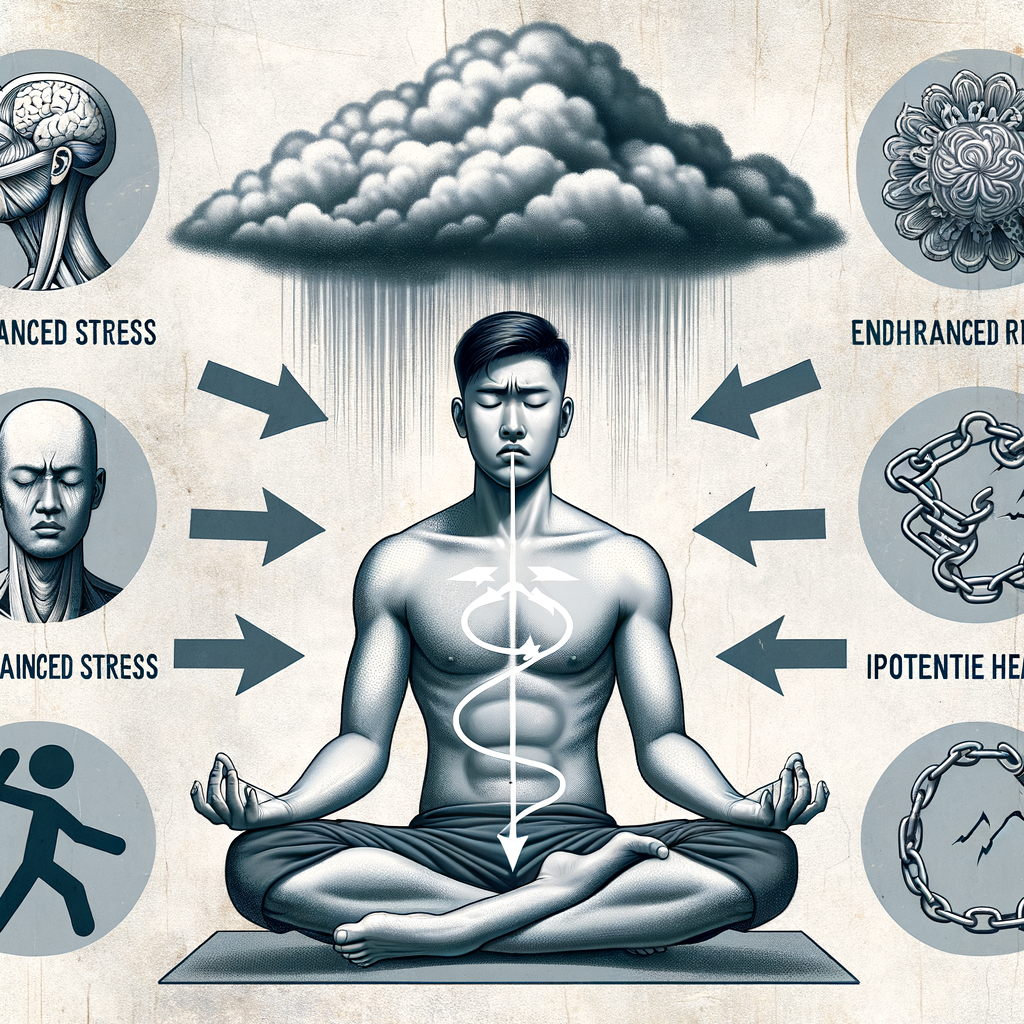
Imposter syndrome is a psychological phenomenon that affects many individuals, particularly those who are high-achievers or perfectionists. It is characterized by feelings of self-doubt, inadequacy, and the fear of being exposed as a fraud. People with imposter syndrome often attribute their success to luck or external factors, rather than their own abilities and hard work. This can lead to a lack of self-confidence and a constant fear of failure. Therapy can play a crucial role in overcoming imposter syndrome. A therapist can help individuals identify the root causes of their feelings of inadequacy and work with them to develop strategies to build self-confidence. Through therapy, individuals can learn to recognize their achievements and develop a more realistic view of their abilities. One of the first steps in therapy for imposter syndrome is to help individuals become aware of their negative thought patterns. Many people with imposter syndrome have a tendency to focus on their mistakes and failures, rather than their successes. A therapist can help individuals challenge these negative thoughts and replace them with more positive and realistic ones. Another important aspect of therapy for imposter syndrome is helping individuals set realistic goals and expectations for themselves. People with imposter syndrome often set extremely high standards for themselves and feel like they are never good enough. A therapist can help individuals set achievable goals and celebrate their accomplishments, no matter how small they may seem. Therapy can also help individuals develop coping strategies for dealing with feelings of inadequacy. This may include techniques such as mindfulness, deep breathing, and visualization. These strategies can help individuals stay grounded in the present moment and reduce anxiety and stress. In addition to individual therapy, group therapy can also be beneficial for individuals with imposter syndrome. Group therapy provides a supportive environment where individuals can share their experiences and learn from others who are going through similar struggles. This can help individuals feel less alone and more understood. Overall, therapy can be a powerful tool in overcoming imposter syndrome. It can help individuals develop a more positive self-image and build the self-confidence they need to succeed. With the help of a therapist, individuals can learn to recognize their worth and overcome the fear of being exposed as a fraud. In conclusion, imposter syndrome can be a debilitating condition that affects many individuals. However, with the help of therapy, individuals can learn to overcome their feelings of inadequacy and build self-confidence. Therapy can provide individuals with the tools they need to challenge negative thought patterns, set realistic goals, and develop coping strategies. By working with a therapist, individuals can learn to recognize their achievements and develop a more realistic view of their abilities. With time and effort, individuals can overcome imposter syndrome and achieve their full potential.Building Self-Confidence: Strategies from Therapy Sessions

Imposter syndrome is a psychological phenomenon that affects many individuals, particularly those who are high-achieving or in positions of authority. It is characterized by feelings of self-doubt, inadequacy, and a fear of being exposed as a fraud. These feelings can be debilitating, leading to anxiety, depression, and a lack of self-confidence. However, therapy can be an effective tool in overcoming imposter syndrome and building self-confidence. One of the first strategies that therapists often employ is helping individuals to recognize and acknowledge their imposter syndrome. This involves exploring the thoughts and feelings that contribute to these feelings of inadequacy. By bringing these thoughts to the surface, individuals can begin to challenge and reframe them. For example, instead of thinking “I’m not qualified for this job,” one might reframe that thought to “I have the skills and experience necessary to succeed in this role.” Another important aspect of therapy for imposter syndrome is exploring the root causes of these feelings. Often, imposter syndrome is linked to past experiences or messages that individuals have received about their abilities. For example, someone who was constantly criticized or compared to others as a child may have internalized those messages and now struggles with feelings of inadequacy. By exploring these past experiences, individuals can begin to understand where their imposter syndrome comes from and work to overcome it. Therapists also work with individuals to develop coping strategies for when feelings of imposter syndrome arise. This might include mindfulness techniques, such as deep breathing or meditation, to help individuals stay present and grounded in the moment. It might also involve developing a “toolbox” of positive affirmations or self-talk to counteract negative thoughts. For example, if someone is feeling like a fraud before a big presentation, they might repeat to themselves “I am prepared and capable of delivering a great presentation.” Building self-confidence is also a key focus of therapy for imposter syndrome. This involves helping individuals to recognize and celebrate their accomplishments, rather than dismissing them as luck or a fluke. Therapists might encourage individuals to keep a “success journal” where they write down their achievements, no matter how small. This can help to build a sense of competence and confidence over time. Finally, therapy for imposter syndrome often involves setting realistic goals and expectations for oneself. Many individuals with imposter syndrome set impossibly high standards for themselves, which only contributes to feelings of inadequacy when they inevitably fall short. By setting achievable goals and celebrating progress along the way, individuals can begin to build a sense of self-efficacy and confidence in their abilities. In conclusion, imposter syndrome can be a challenging and pervasive issue for many individuals. However, therapy can be an effective tool in overcoming these feelings and building self-confidence. By recognizing and challenging negative thoughts, exploring the root causes of imposter syndrome, developing coping strategies, celebrating accomplishments, and setting realistic goals, individuals can begin to overcome imposter syndrome and feel more confident in their abilities.




Comments