


Emotional Intelligence: Developing EQ through Therapy and Mindfulness
Table of Contents
Introduction
Emotional Intelligence (EQ) refers to the ability to recognize, understand, and manage our own emotions as well as the emotions of others. It is a crucial aspect of personal and professional development, as it can greatly impact our relationships, communication skills, and overall well-being. Therapy and mindfulness practices are effective methods for developing EQ, as they provide individuals with the tools and techniques to become more self-aware, regulate their emotions, and empathize with others. Through these practices, individuals can learn to respond to situations with emotional intelligence, leading to more fulfilling and harmonious interactions in all areas of life.The Benefits of Therapy in Enhancing Emotional Intelligence
Emotional intelligence (EQ) is the ability to recognize, understand, and manage one’s own emotions, as well as the emotions of others. It is a critical skill that can greatly impact personal and professional relationships, as well as overall well-being. While some individuals may naturally possess high levels of emotional intelligence, others may need to work on developing this skill. One effective way to enhance emotional intelligence is through therapy and mindfulness practices. Therapy provides a safe and supportive environment for individuals to explore their emotions and learn how to manage them effectively. A therapist can help individuals identify patterns in their emotional responses and develop strategies to regulate their emotions. For example, cognitive-behavioral therapy (CBT) is a type of therapy that focuses on changing negative thought patterns that can contribute to emotional distress. By learning to challenge and reframe these thoughts, individuals can improve their emotional intelligence and better manage their emotions. In addition to therapy, mindfulness practices can also help individuals develop emotional intelligence. Mindfulness involves paying attention to the present moment without judgment. This can help individuals become more aware of their emotions and how they are affecting their thoughts and behaviors. Mindfulness practices, such as meditation and deep breathing exercises, can also help individuals learn to regulate their emotions by calming the mind and body. One of the benefits of therapy and mindfulness in enhancing emotional intelligence is improved self-awareness. By becoming more aware of their emotions, individuals can better understand their triggers and how to manage them. This can lead to improved self-regulation, which is the ability to control one’s emotions and behaviors in response to different situations. Improved self-regulation can lead to better decision-making and problem-solving skills, as well as increased resilience in the face of stress and adversity. Another benefit of therapy and mindfulness in enhancing emotional intelligence is improved empathy. Empathy is the ability to understand and share the feelings of others. By developing emotional intelligence, individuals can become more attuned to the emotions of others and respond with compassion and understanding. This can lead to stronger and more meaningful relationships, both personally and professionally. Therapy and mindfulness can also help individuals develop better social skills. Emotional intelligence is closely linked to social competence, which is the ability to navigate social situations effectively. By improving emotional intelligence, individuals can learn to communicate more effectively, resolve conflicts, and build stronger connections with others. In conclusion, emotional intelligence is a critical skill that can greatly impact personal and professional relationships, as well as overall well-being. Therapy and mindfulness practices can help individuals develop emotional intelligence by improving self-awareness, self-regulation, empathy, and social skills. By investing in therapy and mindfulness, individuals can enhance their emotional intelligence and lead more fulfilling and successful lives.Mindfulness Techniques for Improving EQ

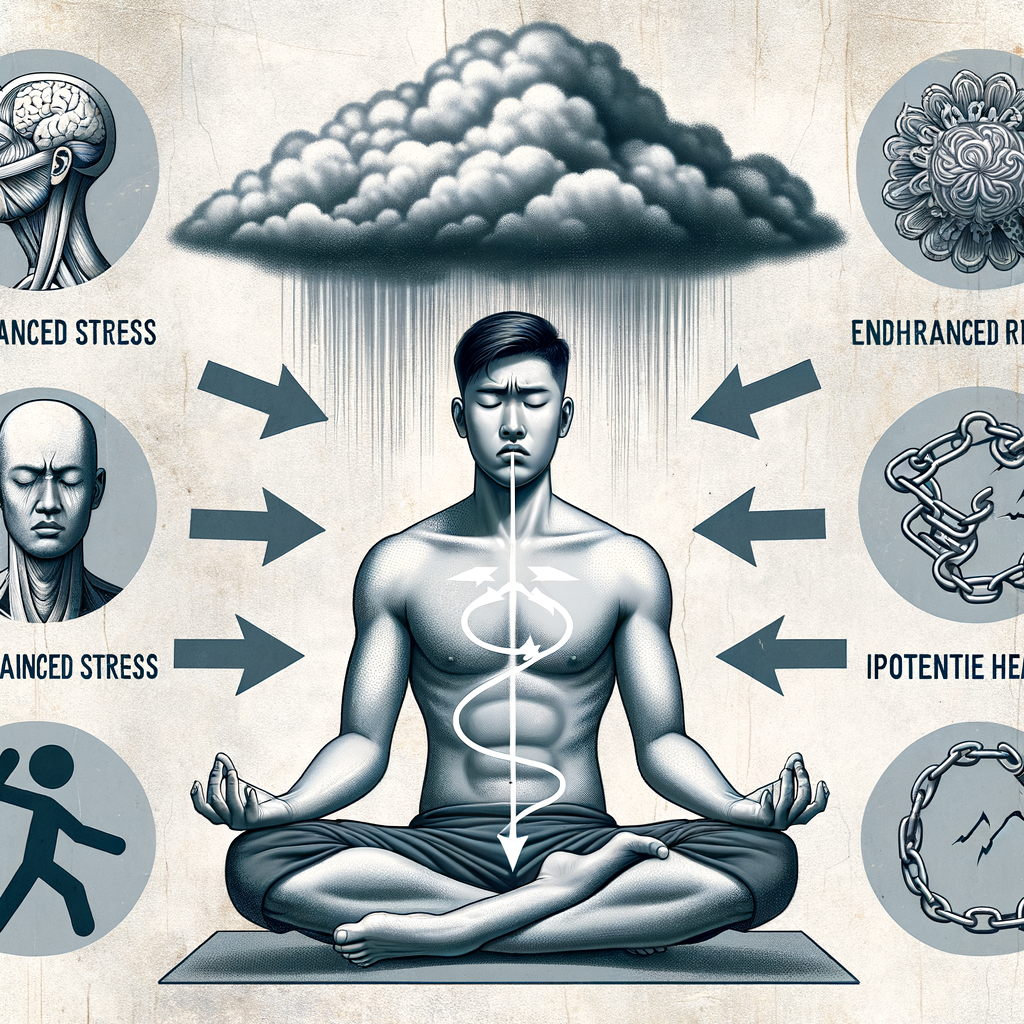
Emotional intelligence, or EQ, is the ability to recognize, understand, and manage one’s own emotions, as well as the emotions of others. It is a critical skill for personal and professional success, as it allows individuals to navigate social situations with ease, build strong relationships, and make informed decisions. While some people may naturally possess high levels of emotional intelligence, others may need to work on developing their EQ. Fortunately, there are several techniques that can help individuals improve their emotional intelligence, including therapy and mindfulness practices. Therapy is a valuable tool for developing emotional intelligence, as it provides a safe and supportive environment for individuals to explore their emotions and learn how to manage them effectively. Through therapy, individuals can gain insight into their emotional patterns and triggers, and learn strategies for regulating their emotions in a healthy way. For example, cognitive-behavioral therapy (CBT) is a type of therapy that focuses on changing negative thought patterns and behaviors, which can help individuals develop a more positive outlook and improve their emotional intelligence. In addition to therapy, mindfulness practices can also be beneficial for improving emotional intelligence. Mindfulness is the practice of being present and fully engaged in the current moment, without judgment. It involves paying attention to one’s thoughts, feelings, and bodily sensations, and accepting them without trying to change them. By practicing mindfulness, individuals can become more aware of their emotions and learn to respond to them in a more thoughtful and intentional way. One mindfulness technique that can help improve emotional intelligence is meditation. Meditation involves sitting quietly and focusing on the breath, a mantra, or a specific object. By quieting the mind and focusing on the present moment, individuals can become more attuned to their emotions and learn to observe them without getting caught up in them. This can help individuals develop a greater sense of self-awareness and emotional regulation. Another mindfulness technique that can help improve emotional intelligence is mindful breathing. Mindful breathing involves paying attention to the breath as it moves in and out of the body. By focusing on the breath, individuals can calm their minds and reduce stress, which can help them better manage their emotions. Mindful breathing can be practiced anywhere and at any time, making it a convenient and accessible tool for improving emotional intelligence. In addition to meditation and mindful breathing, there are other mindfulness practices that can help improve emotional intelligence. For example, body scanning involves paying attention to each part of the body in turn, noticing any sensations or tension that may be present. By becoming more aware of the body, individuals can learn to recognize the physical signs of their emotions and respond to them in a more mindful way. Overall, developing emotional intelligence is a lifelong process that requires practice and dedication. However, with the help of therapy and mindfulness practices, individuals can improve their EQ and enjoy the many benefits that come with it. By learning to recognize, understand, and manage their emotions, individuals can build stronger relationships, make better decisions, and lead more fulfilling lives.




Comments