

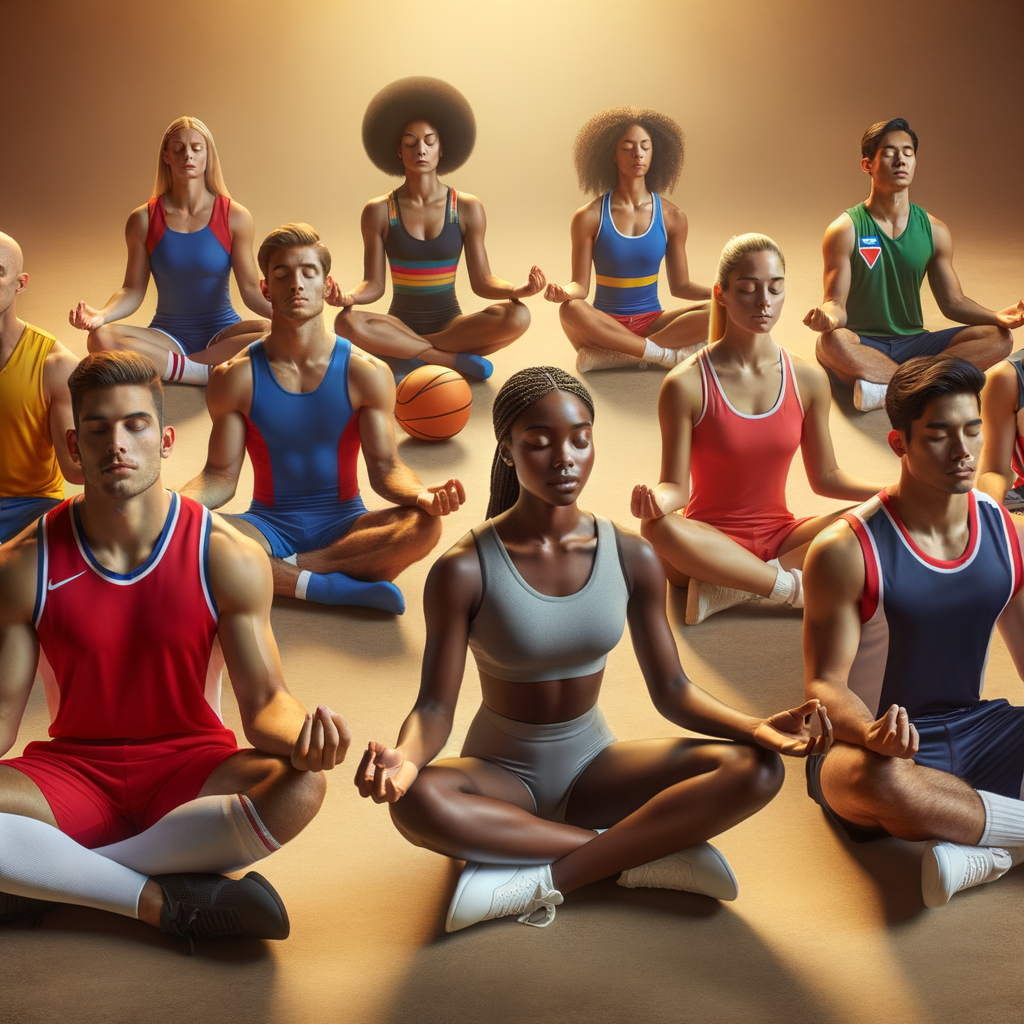
Discover Why Athletes Are Turning to This Type of Meditation
Table of Contents
Introduction
Athletes are constantly seeking ways to improve their performance and gain a competitive edge. One method that has gained popularity in recent years is meditation. Specifically, a type of meditation known as mindfulness meditation has been embraced by athletes for its ability to enhance focus, reduce stress, and improve overall well-being. This introduction will explore why athletes are turning to mindfulness meditation and the benefits it offers for their physical and mental performance.The Benefits of Mindfulness Meditation for Athletic Performance
Discover Why Athletes Are Turning to This Type of Meditation In recent years, mindfulness meditation has gained popularity among athletes as a tool to enhance their performance. This type of meditation involves focusing on the present moment, paying attention to thoughts, feelings, and bodily sensations without judgment. It is a practice that has been around for thousands of years, but only recently has it been recognized for its potential benefits in the world of sports. One of the primary reasons athletes are turning to mindfulness meditation is its ability to improve focus and concentration. In high-pressure situations, athletes need to be able to block out distractions and stay present in the moment. Mindfulness meditation trains the mind to stay focused on the task at hand, which can lead to better performance on the field or court. Research has shown that athletes who practice mindfulness meditation have improved attention spans and are better able to concentrate during competition. Another benefit of mindfulness meditation for athletes is its ability to reduce stress and anxiety. The pressure to perform well can be overwhelming for athletes, leading to increased levels of stress and anxiety. Mindfulness meditation teaches athletes to acknowledge their thoughts and feelings without getting caught up in them. This can help athletes stay calm and composed in high-stress situations, allowing them to perform at their best. Mindfulness meditation can also improve an athlete’s ability to cope with pain and injury. Athletes are often required to push their bodies to the limit, which can result in pain and injury. Mindfulness meditation can help athletes manage pain by teaching them to observe it without judgment. This can lead to a quicker recovery time and a more positive outlook on the healing process. Additionally, mindfulness meditation can enhance an athlete’s overall well-being. The practice encourages self-awareness and self-compassion, which can lead to a more positive self-image and improved mental health. Athletes who practice mindfulness meditation report feeling more balanced and centered, both on and off the field. Furthermore, mindfulness meditation can improve an athlete’s ability to handle pressure and perform under stress. By training the mind to stay present and focused, athletes can better manage their emotions and reactions in high-pressure situations. This can lead to improved decision-making and a more consistent performance. In conclusion, mindfulness meditation offers a range of benefits for athletes looking to improve their performance. From increased focus and concentration to reduced stress and anxiety, the practice can help athletes reach their full potential. As more and more athletes incorporate mindfulness meditation into their training routines, it is clear that this ancient practice has a place in modern sports. Whether you are a professional athlete or a weekend warrior, mindfulness meditation can help you perform at your best and enjoy the process along the way.How Meditation Enhances Focus and Concentration in Sports
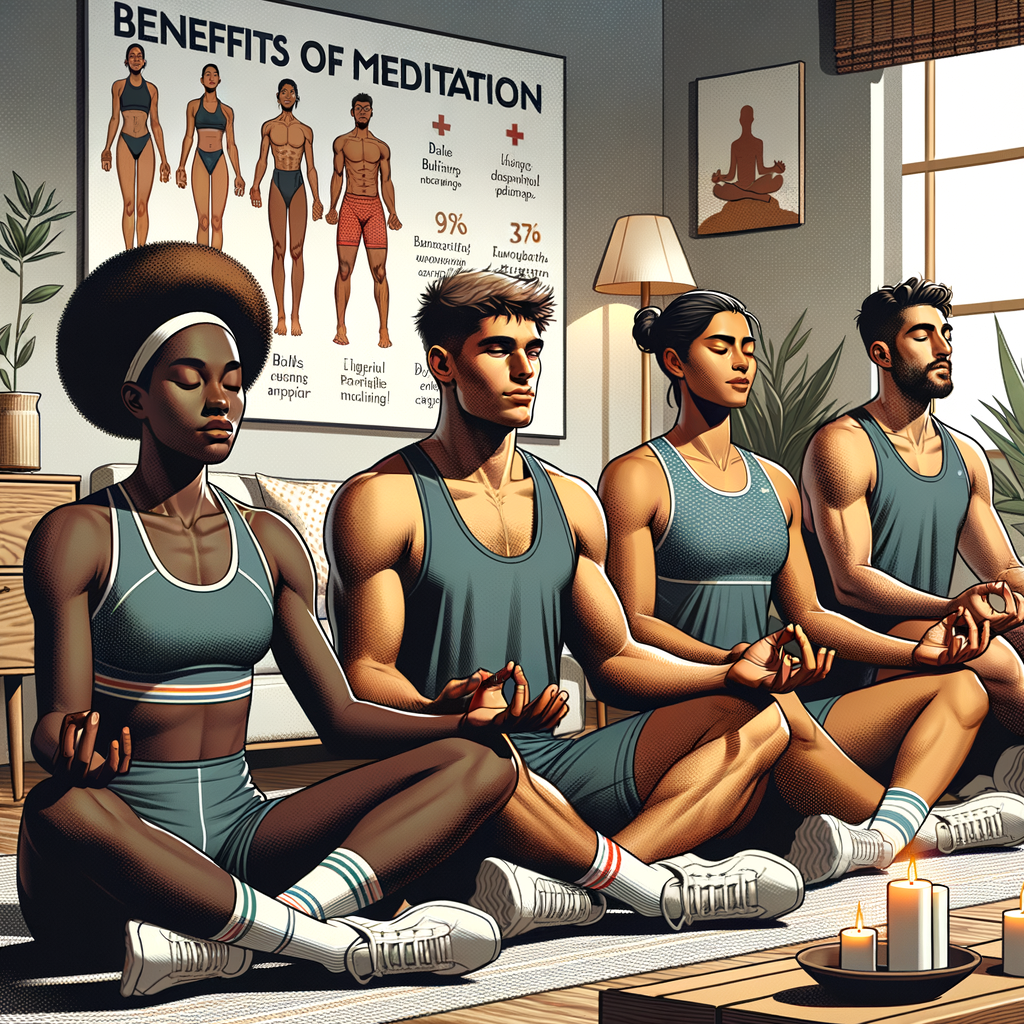
Discover Why Athletes Are Turning to This Type of Meditation In recent years, meditation has become increasingly popular among athletes as a way to enhance focus and concentration in sports. This ancient practice, which has been used for centuries to promote mental clarity and relaxation, is now being recognized for its potential to improve athletic performance. One of the main reasons athletes are turning to meditation is because it helps to reduce stress and anxiety. The high-pressure environment of competitive sports can take a toll on an athlete’s mental health, leading to decreased performance and even burnout. Meditation provides a way for athletes to calm their minds and manage their emotions, allowing them to stay focused and perform at their best. Another benefit of meditation for athletes is that it can improve their ability to concentrate. In sports, the ability to maintain focus and attention is crucial for success. Distractions, whether internal or external, can easily derail an athlete’s performance. Meditation helps to train the mind to stay present and focused on the task at hand, which can lead to better decision-making and execution on the field or court. Meditation can also enhance an athlete’s mental toughness. The ability to stay calm and composed under pressure is a key attribute of successful athletes. Through meditation, athletes can develop the mental resilience needed to overcome challenges and setbacks. This can be especially beneficial in high-stakes situations, such as a championship game or a crucial play. In addition to these mental benefits, meditation can also have physical benefits for athletes. Studies have shown that meditation can help to reduce inflammation and improve recovery time after intense physical activity. This can be particularly helpful for athletes who are dealing with injuries or who need to quickly bounce back after a strenuous workout or competition. One type of meditation that has gained popularity among athletes is mindfulness meditation. This practice involves paying attention to the present moment without judgment. By focusing on their breath or a specific object, athletes can train their minds to stay present and avoid getting caught up in negative thoughts or emotions. This can help them to stay calm and focused during high-pressure situations. Another type of meditation that athletes are turning to is visualization meditation. This practice involves visualizing a successful performance or outcome. By mentally rehearsing their performance, athletes can build confidence and prepare themselves for success. This can be especially helpful for athletes who struggle with self-doubt or performance anxiety. Overall, meditation offers a range of benefits for athletes looking to improve their focus and concentration in sports. By reducing stress and anxiety, improving concentration, enhancing mental toughness, and promoting physical recovery, meditation can help athletes to perform at their best. As more and more athletes discover the benefits of this ancient practice, it is likely that meditation will become an increasingly important part of their training regimen.





Comments