

Discover the Yoga Sequence That Rivals a Full Night’s Sleep
Table of Contents
Introduction
Discover the Yoga Sequence That Rivals a Full Night’s Sleep is a guide to a series of yoga poses and breathing exercises designed to promote relaxation and restfulness. This sequence is perfect for those who struggle with insomnia or simply want to enhance the quality of their sleep. By incorporating these poses into your nightly routine, you can experience the benefits of a full night’s sleep without actually having to spend hours in bed.The Ultimate Yoga Sequence for Deep Relaxation and Restful Sleep
Discover the Yoga Sequence That Rivals a Full Night’s Sleep In today’s fast-paced world, getting a good night’s sleep can be a challenge. With the constant demands of work, family, and social obligations, it’s no wonder that so many people struggle with insomnia and other sleep-related issues. However, there is a solution that can help you achieve deep relaxation and restful sleep without the need for medication or other interventions. The answer lies in the practice of yoga. Yoga is an ancient practice that has been used for centuries to promote physical, mental, and emotional well-being. It involves a series of poses, breathing exercises, and meditation techniques that can help to calm the mind, relax the body, and promote a sense of inner peace. One particular yoga sequence has been found to be especially effective in promoting deep relaxation and restful sleep. This sequence begins with gentle stretching to release tension in the muscles and prepare the body for relaxation. Poses such as child’s pose, cat-cow, and forward fold can help to ease stiffness and discomfort, allowing the body to fully relax. Next, the sequence moves into more restorative poses, such as legs up the wall and supported bridge pose, which can help to calm the nervous system and promote a sense of tranquility. Breathing exercises are also an important part of this sequence. Deep, slow breathing can help to slow down the heart rate and reduce stress levels, making it easier to fall asleep. Techniques such as alternate nostril breathing and 4-7-8 breathing can be particularly effective in promoting relaxation and preparing the body for sleep. Finally, the sequence concludes with a period of meditation. This can be done in a seated or lying down position, and involves focusing the mind on the breath or a particular mantra. Meditation can help to quiet the mind and release any lingering thoughts or worries that may be preventing you from falling asleep. The beauty of this yoga sequence is that it can be done in the comfort of your own home, and requires no special equipment or experience. It can be easily incorporated into your evening routine, and can be adapted to suit your individual needs and preferences. Whether you are a seasoned yogi or a complete beginner, this sequence can help you to achieve the deep relaxation and restful sleep that you need to feel refreshed and rejuvenated. In conclusion, if you are struggling with sleep-related issues, consider giving this yoga sequence a try. It is a natural, holistic approach to promoting relaxation and restful sleep, and can be a powerful tool in improving your overall health and well-being. With regular practice, you may find that this sequence rivals a full night’s sleep, leaving you feeling rested, restored, and ready to take on the day.How to Achieve a Restorative Sleep Through Yoga
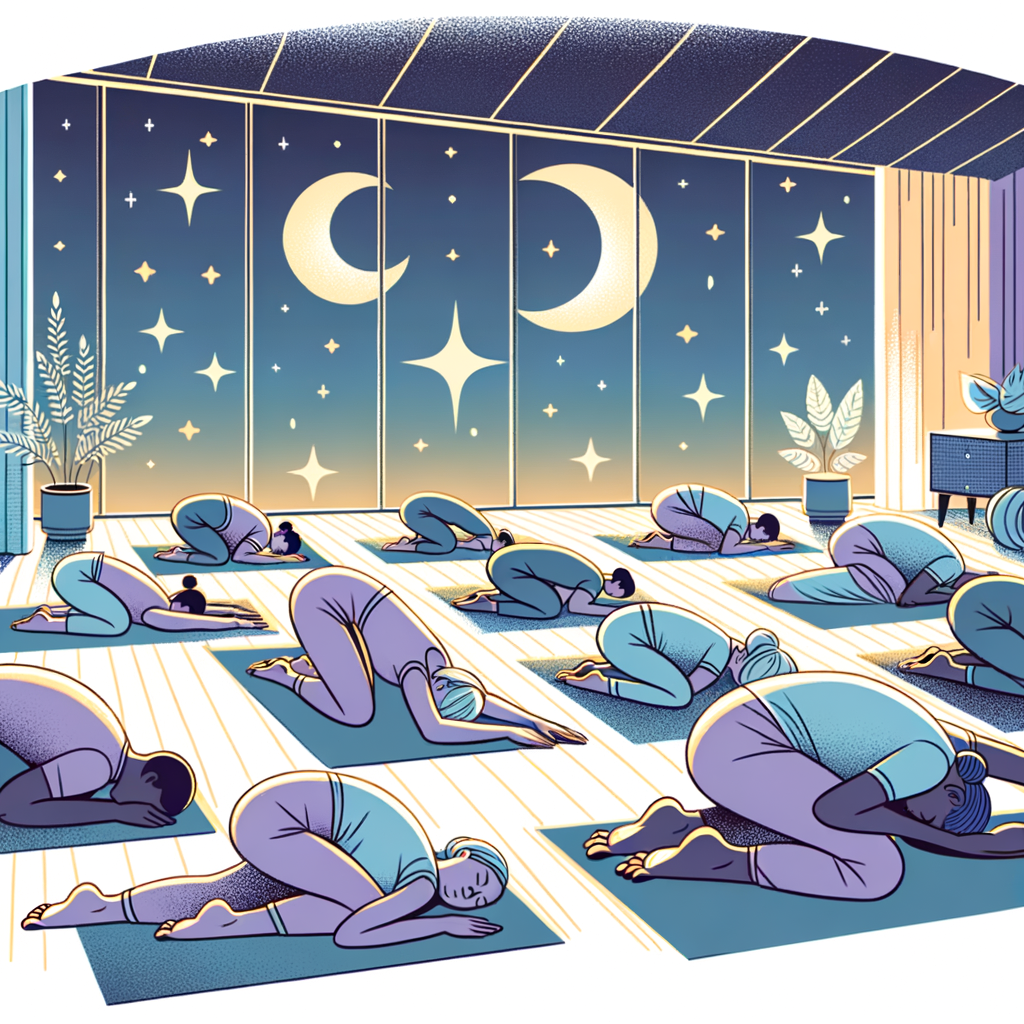
Discover the Yoga Sequence That Rivals a Full Night’s Sleep Sleep is an essential part of our lives, and it is crucial for our physical and mental well-being. However, many people struggle to get a good night’s sleep due to stress, anxiety, or other factors. Fortunately, yoga can be an effective way to achieve a restorative sleep. In this article, we will explore a yoga sequence that can help you relax and unwind before bedtime, allowing you to wake up feeling refreshed and rejuvenated. The practice of yoga has been around for thousands of years, and it is known for its ability to promote relaxation and reduce stress. The sequence we will discuss is designed to calm the mind and prepare the body for sleep. It includes gentle stretches and poses that can be done in the comfort of your own home, without the need for any special equipment. To begin, find a quiet and comfortable space where you can practice without any distractions. Start with some deep breathing exercises to help you relax and focus on the present moment. Inhale deeply through your nose, filling your lungs with air, and then exhale slowly through your mouth. Repeat this several times, allowing your breath to become slower and more relaxed with each exhale. Next, move into a seated position and gently stretch your neck and shoulders. This can help to release any tension that has built up throughout the day. From there, transition into a forward fold, allowing your head to hang heavy and your spine to lengthen. This pose can help to calm the mind and relieve stress. After the forward fold, move into a child’s pose, with your knees wide and your forehead resting on the ground. This pose is known for its ability to promote relaxation and reduce anxiety. Take a few deep breaths here, allowing your body to sink deeper into the pose with each exhale. From child’s pose, move into a supine twist, lying on your back and bringing one knee across your body. This pose can help to release tension in the lower back and hips, which can often be a source of discomfort during sleep. Hold the twist for a few breaths, then switch sides. Finally, end your practice with a few minutes of savasana, or corpse pose. Lie on your back with your arms and legs relaxed, and close your eyes. Focus on your breath and allow your body to completely relax. This pose is the ultimate relaxation pose and can help to prepare your body for a restful night’s sleep. Incorporating this yoga sequence into your evening routine can help to improve the quality of your sleep. By taking the time to relax and unwind before bed, you can create the ideal conditions for a restorative sleep. With regular practice, you may find that you wake up feeling more refreshed and energized, ready to take on the day ahead. In conclusion, yoga can be a powerful tool for achieving a restorative sleep. By practicing the sequence outlined above, you can help to calm your mind and relax your body, allowing you to sleep more soundly and wake up feeling rejuvenated. Give it a try tonight and see how it can transform your sleep routine.




Comments