

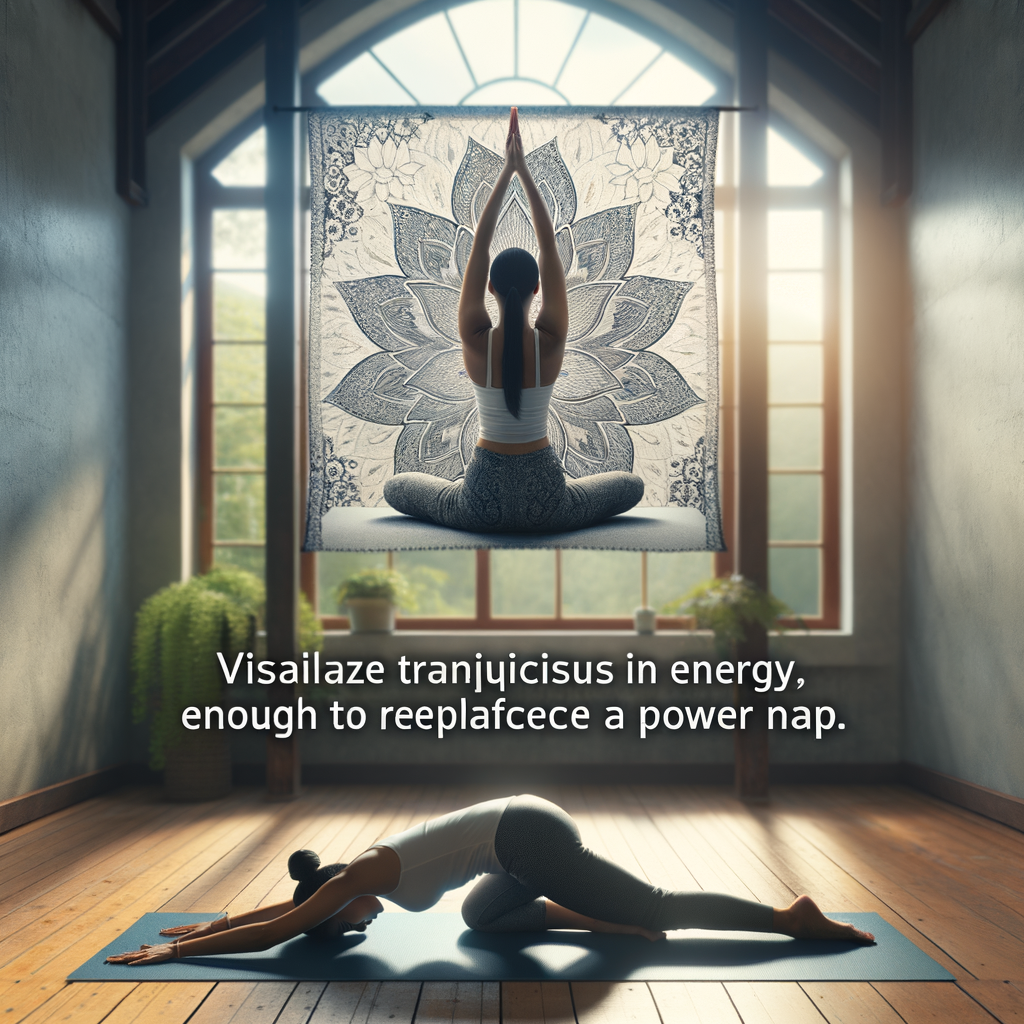
Discover the One Yoga Pose That Could Replace Your Power Nap
Table of Contents
Introduction
Discover the One Yoga Pose That Could Replace Your Power Nap: In today’s fast-paced world, finding time to rest and recharge can be challenging. Power naps are a popular solution, but what if there was a yoga pose that could offer the same benefits without the need for sleep? This introduction explores the potential of a specific yoga pose that could provide the rejuvenation and energy boost you need to tackle the rest of your day.The Ultimate Guide to Yoga Nidra: The Power Nap Alternative
Yoga Nidra, also known as yogic sleep, is a powerful meditation technique that has been gaining popularity in recent years as an alternative to the traditional power nap. This ancient practice has been used for centuries to promote deep relaxation, reduce stress, and improve overall well-being. Unlike a power nap, which can leave you feeling groggy and disoriented, Yoga Nidra leaves you feeling refreshed and rejuvenated. The practice of Yoga Nidra involves lying down in a comfortable position, usually on your back with your arms at your sides and your palms facing up. You then close your eyes and focus on your breath, allowing your body to relax and your mind to become still. As you continue to breathe deeply, you are guided through a series of visualizations and affirmations that help to release tension and promote a sense of calm. One of the key benefits of Yoga Nidra is that it allows you to enter a state of deep relaxation without actually falling asleep. This is because the practice activates the parasympathetic nervous system, which is responsible for the body’s rest and digest functions. By activating this system, Yoga Nidra helps to reduce stress hormones, lower blood pressure, and slow down the heart rate, all of which contribute to a feeling of relaxation and well-being. Another benefit of Yoga Nidra is that it can be practiced at any time of day, making it a convenient alternative to a power nap. Whether you need a quick pick-me-up in the middle of the afternoon or a way to unwind before bed, Yoga Nidra can be easily incorporated into your daily routine. And because it doesn’t require any special equipment or clothing, it can be done anywhere, from the comfort of your own home to a quiet corner of the office. But perhaps the most compelling reason to try Yoga Nidra is that it has been shown to have a number of positive effects on both the mind and body. Studies have found that regular practice of Yoga Nidra can improve sleep quality, reduce anxiety and depression, and even boost the immune system. It has also been used as a complementary therapy for conditions such as PTSD, chronic pain, and addiction. So how do you get started with Yoga Nidra? The good news is that there are plenty of resources available to help you learn the practice. Many yoga studios offer classes specifically focused on Yoga Nidra, and there are also a number of guided recordings available online. It’s important to find a teacher or recording that you feel comfortable with, as the quality of the guidance can greatly impact your experience. In conclusion, if you’re looking for a way to recharge and rejuvenate without the grogginess of a power nap, Yoga Nidra may be just what you need. This ancient practice offers a host of benefits for both the mind and body, and can be easily incorporated into your daily routine. So why not give it a try and discover the power of yogic sleep for yourself?How to Master the Restorative Yoga Pose for Energy Boost
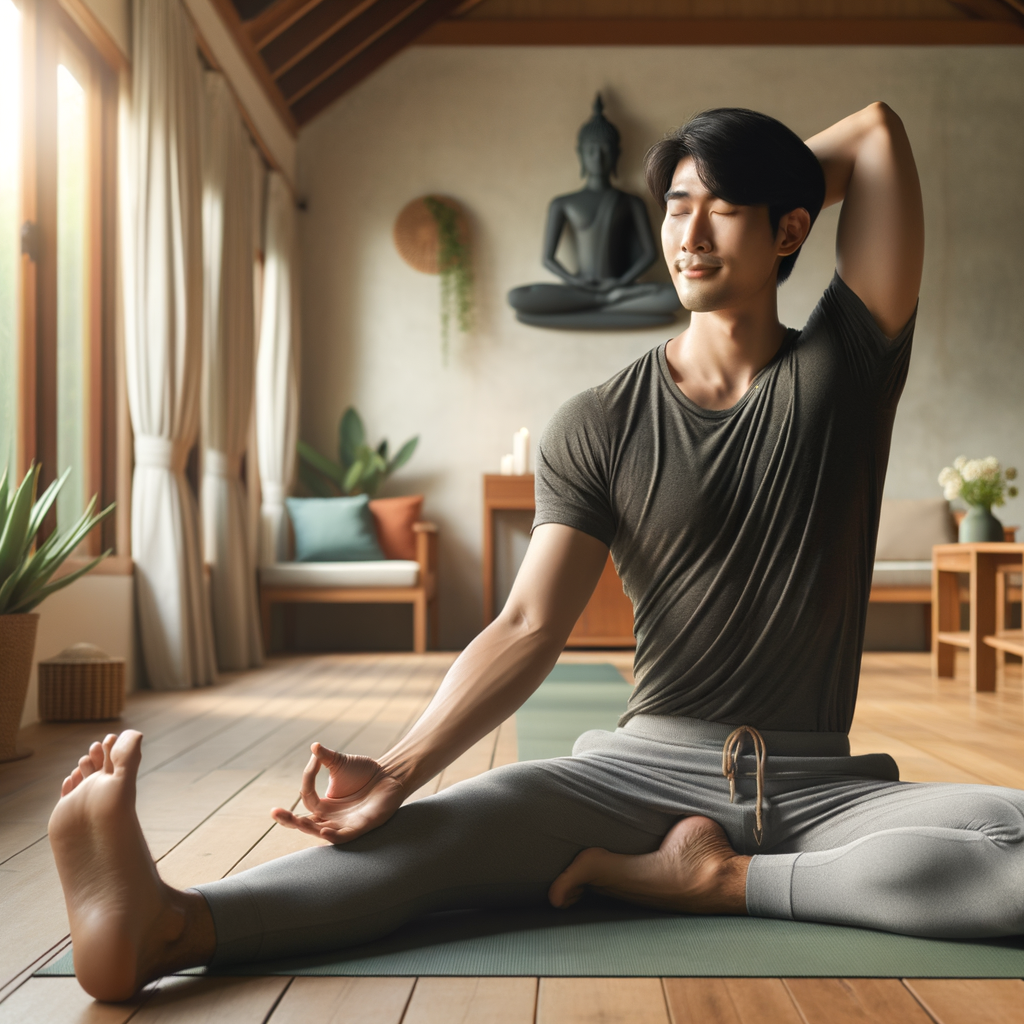
Yoga has long been known for its restorative and rejuvenating effects on the body and mind. While many people turn to power naps to recharge during the day, there is one yoga pose that could potentially replace the need for a midday snooze. This pose is known as the Legs-Up-The-Wall pose, or Viparita Karani in Sanskrit. The Legs-Up-The-Wall pose is a simple yet powerful restorative yoga pose that can provide an instant energy boost. It involves lying on your back with your legs extended up a wall, allowing gravity to do the work for you. This pose is perfect for those who spend long hours sitting at a desk or standing on their feet, as it helps to relieve tension in the legs and lower back. To master the Legs-Up-The-Wall pose, start by finding a clear wall space. Sit with your right side against the wall and your legs extended in front of you. Gently swing your legs up the wall as you lower your back and head to the floor. Your buttocks should be as close to the wall as possible, and your arms can rest by your sides or on your belly. Close your eyes and take deep, slow breaths, allowing your body to relax into the pose. The key to getting the most out of this pose is to hold it for at least five to ten minutes. This allows your body to fully relax and your mind to calm down. The longer you hold the pose, the more benefits you will receive. The Legs-Up-The-Wall pose can help to reduce stress and anxiety, improve circulation, and alleviate symptoms of insomnia. One of the reasons this pose is so effective is because it inverts the body, reversing the effects of gravity. This can help to reduce swelling in the legs and feet, and improve blood flow to the heart and brain. It also allows the lymphatic system to drain more efficiently, which can boost the immune system and help the body to detoxify. Another benefit of the Legs-Up-The-Wall pose is that it can help to balance the nervous system. By calming the mind and reducing stress, this pose can help to activate the parasympathetic nervous system, which is responsible for rest and relaxation. This can lead to a feeling of renewed energy and vitality, making it a great alternative to a power nap. In conclusion, the Legs-Up-The-Wall pose is a simple yet powerful yoga pose that can provide an instant energy boost. It is easy to master and can be done anywhere with a clear wall space. By holding the pose for at least five to ten minutes, you can reap the benefits of improved circulation, reduced stress and anxiety, and a balanced nervous system. So next time you feel the need for a power nap, try the Legs-Up-The-Wall pose instead and discover the rejuvenating effects of this restorative yoga pose.





Comments