

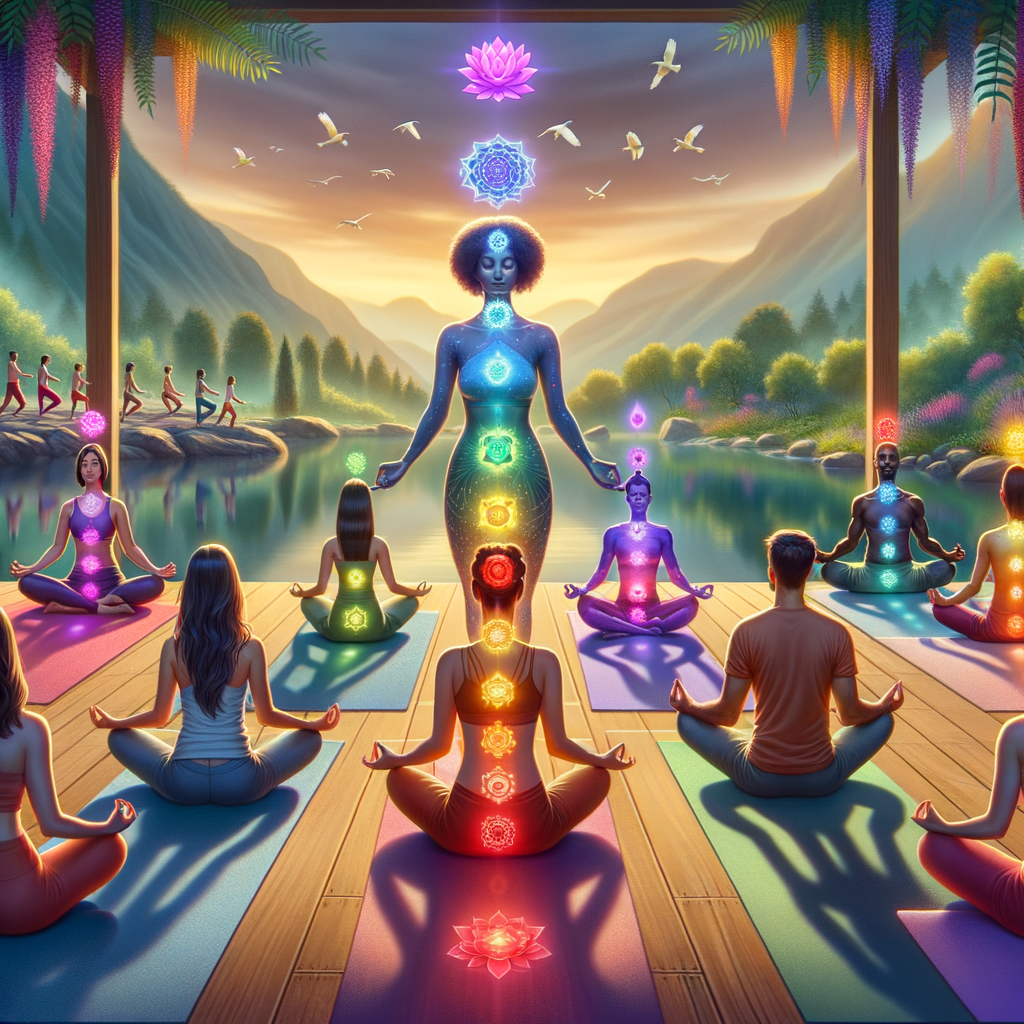
Chakra Balancing: Aligning Your Energy Centers Through Yoga
Table of Contents
Introduction
Chakra balancing is a holistic practice that aims to align and harmonize the seven energy centers, or chakras, within the body. These energy centers are believed to influence various aspects of our physical, emotional, and spiritual well-being. Through the practice of yoga, individuals can work to balance their chakras, promoting overall health and vitality. Yoga poses, breathing techniques, and meditation are often used to target specific chakras and encourage the flow of energy throughout the body. By bringing attention to these energy centers, practitioners can cultivate a sense of inner peace and balance, leading to a more centered and fulfilling life.The Seven Chakras: Understanding Their Role in Yoga Practice
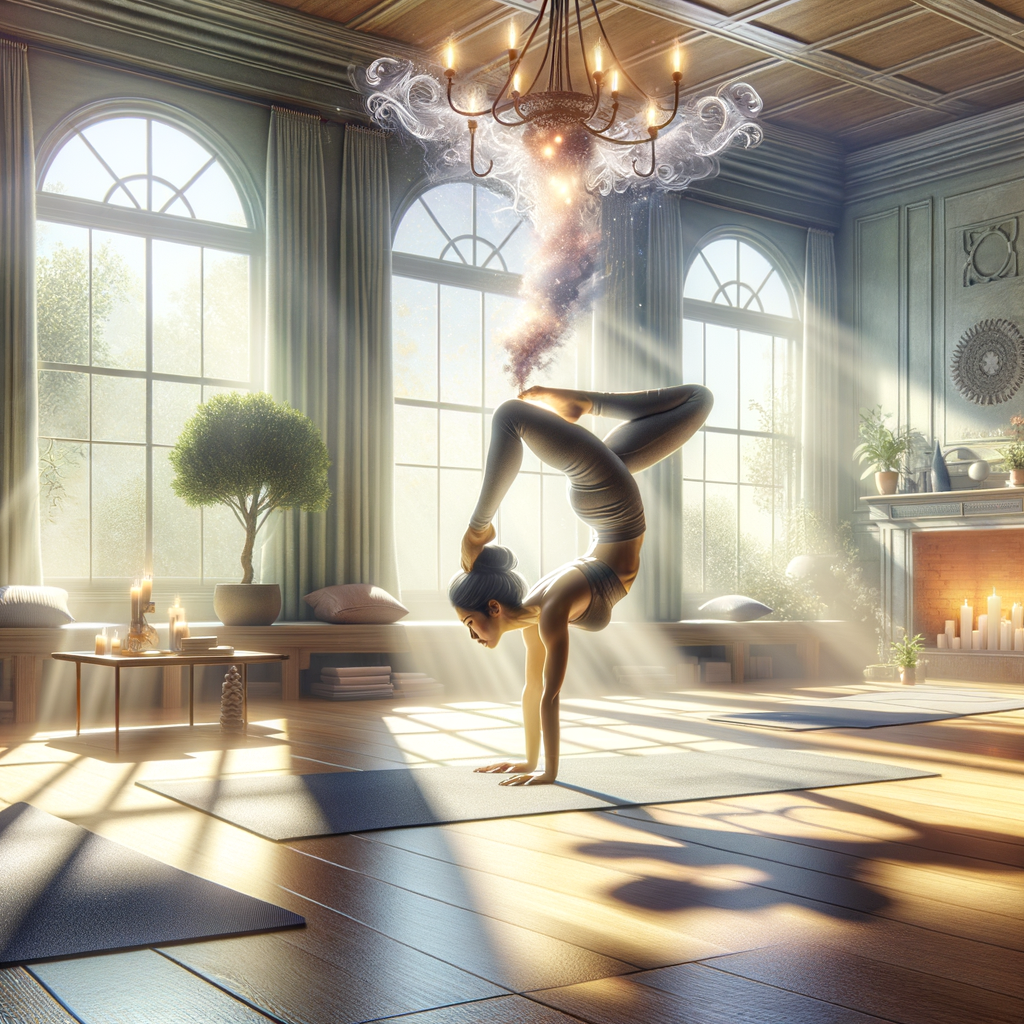
Chakra Balancing: Aligning Your Energy Centers Through Yoga The practice of yoga is not just about physical postures and flexibility, it is also about aligning and balancing the energy centers within our bodies, known as chakras. The concept of chakras originates from ancient Indian philosophy and is a fundamental aspect of yoga practice. Understanding the role of the seven chakras in yoga can help practitioners achieve a deeper sense of harmony and well-being. The seven chakras are located along the spine, starting from the base and moving up to the crown of the head. Each chakra is associated with specific physical, emotional, and spiritual attributes. The first chakra, known as the root chakra, is located at the base of the spine and is associated with feelings of security and stability. The second chakra, the sacral chakra, is located in the lower abdomen and is associated with creativity and sexuality. The third chakra, the solar plexus chakra, is located in the upper abdomen and is associated with personal power and self-esteem. Moving up the spine, the fourth chakra, the heart chakra, is located in the center of the chest and is associated with love and compassion. The fifth chakra, the throat chakra, is located in the throat and is associated with communication and self-expression. The sixth chakra, the third eye chakra, is located between the eyebrows and is associated with intuition and insight. Finally, the seventh chakra, the crown chakra, is located at the top of the head and is associated with spiritual connection and enlightenment. In yoga practice, it is believed that when the chakras are balanced and aligned, energy can flow freely through the body, leading to optimal physical, emotional, and spiritual health. However, when the chakras are blocked or imbalanced, it can lead to physical and emotional discomfort, as well as a sense of disconnection from oneself and the world around us. To balance the chakras through yoga, practitioners can incorporate specific postures, breathing techniques, and meditation practices that target each chakra. For example, to balance the root chakra, one might practice grounding postures such as mountain pose or tree pose. To balance the sacral chakra, one might practice hip-opening postures such as pigeon pose or butterfly pose. To balance the solar plexus chakra, one might practice core-strengthening postures such as boat pose or plank pose. Similarly, to balance the heart chakra, one might practice chest-opening postures such as camel pose or cobra pose. To balance the throat chakra, one might practice neck-stretching postures such as fish pose or shoulder stand. To balance the third eye chakra, one might practice meditation or visualization techniques. And to balance the crown chakra, one might practice inversions such as headstand or handstand. In addition to physical postures, breathing techniques such as alternate nostril breathing or breath of fire can also help to balance the chakras. And meditation practices such as chanting or visualization can help to focus the mind and bring awareness to the energy centers within the body. Overall, chakra balancing through yoga is a holistic approach to well-being that addresses not just the physical body, but also the emotional and spiritual aspects of our being. By understanding the role of the seven chakras in yoga practice, practitioners can work towards achieving a sense of balance and harmony within themselves and in their lives.Chakra Balancing Techniques for a Harmonious Yoga Routine
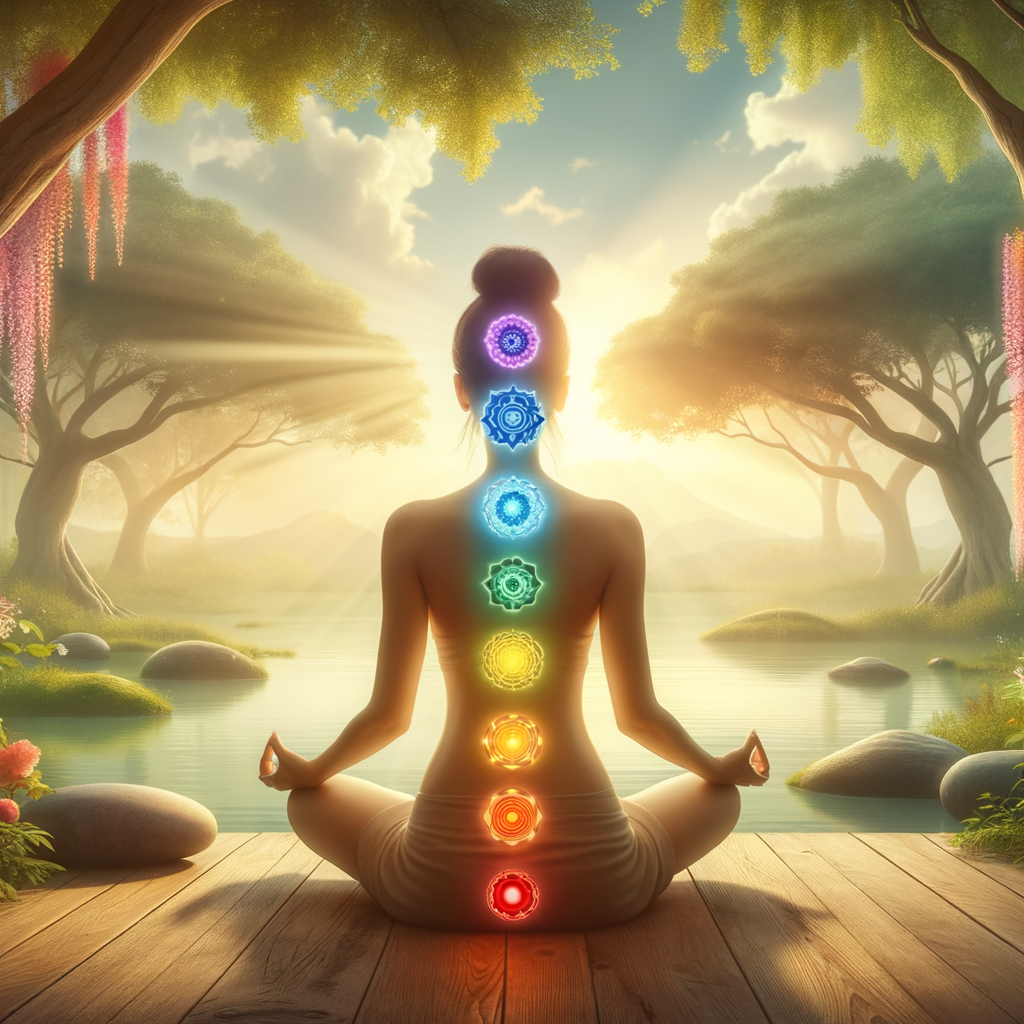
Chakra Balancing: Aligning Your Energy Centers Through Yoga The ancient practice of yoga has long been revered for its ability to promote physical, mental, and spiritual well-being. One of the key components of this holistic approach to health is the concept of chakras, or energy centers, within the body. These chakras are believed to be connected to various aspects of our lives, from our emotions and thoughts to our physical health and spiritual growth. When these energy centers are out of balance, it can lead to a host of issues, both physical and emotional. Fortunately, there are a number of chakra balancing techniques that can be incorporated into a yoga routine to help restore harmony and balance to the body and mind. The first step in chakra balancing is to become aware of the seven main chakras that run along the spine, from the base to the crown of the head. Each chakra is associated with a specific color, element, and aspect of life. For example, the root chakra, located at the base of the spine, is associated with the color red, the element of earth, and our sense of security and stability. The sacral chakra, located just below the navel, is associated with the color orange, the element of water, and our creativity and sexuality. The solar plexus chakra, located in the upper abdomen, is associated with the color yellow, the element of fire, and our personal power and self-esteem. The heart chakra, located in the center of the chest, is associated with the color green, the element of air, and our ability to give and receive love. The throat chakra, located in the throat, is associated with the color blue, the element of ether, and our ability to communicate and express ourselves. The third eye chakra, located between the eyebrows, is associated with the color indigo, the element of light, and our intuition and inner wisdom. Finally, the crown chakra, located at the top of the head, is associated with the color violet, the element of thought, and our connection to the divine. Once you have a basic understanding of the chakras and their associations, you can begin to incorporate chakra balancing techniques into your yoga practice. One of the most effective ways to do this is through the use of specific yoga poses, or asanas, that are designed to target each chakra. For example, to balance the root chakra, you might practice grounding poses like mountain pose or tree pose. To balance the sacral chakra, you might practice hip-opening poses like pigeon pose or butterfly pose. To balance the solar plexus chakra, you might practice core-strengthening poses like boat pose or plank pose. To balance the heart chakra, you might practice chest-opening poses like camel pose or cobra pose. To balance the throat chakra, you might practice neck-stretching poses like fish pose or shoulder stand. To balance the third eye chakra, you might practice forward bends like child’s pose or downward-facing dog. And to balance the crown chakra, you might practice inversions like headstand or handstand. In addition to specific yoga poses, there are other chakra balancing techniques that can be incorporated into a yoga routine. For example, you might use visualization or meditation to focus on each chakra and imagine it glowing with its associated color. You might also use affirmations or mantras to help reinforce the qualities associated with each chakra. For example, you might repeat the affirmation “I am grounded and secure” for the root chakra, or “I am creative and passionate” for the sacral chakra. You might also use breathwork, or pranayama, to help balance the chakras. For example, you might practice alternate nostril breathing to balance the third eye chakra, or lion’s breath to balance the throat chakra. By incorporating these chakra balancing techniques into your yoga routine, you can help to restore harmony and balance to your energy centers, leading to a greater sense of well-being and vitality. Whether you are new to yoga or a seasoned practitioner, chakra balancing can be a powerful tool for personal growth and transformation.
Comments