


Why Yogis Are Ditching Mantras for This Unexpected Alternative
Table of Contents
Introduction
Yogis are increasingly turning to mindfulness meditation as an alternative to traditional mantra-based practices. This shift is driven by a desire for a more direct and personal experience of inner peace and self-awareness. Mindfulness meditation emphasizes present-moment awareness and non-judgmental observation of thoughts and sensations, offering a more accessible and adaptable approach to cultivating mental clarity and emotional balance. As a result, many yogis are finding this unexpected alternative to be a powerful complement to their physical yoga practice.The Rise of Mindfulness Meditation: A New Approach for Yogis
Yogis have long been known for their use of mantras, a practice that involves repeating a word or phrase to help focus the mind during meditation. However, in recent years, many yogis have been ditching mantras in favor of a new approach: mindfulness meditation. This shift in practice has been gaining popularity as more people discover the benefits of mindfulness meditation and how it can enhance their yoga practice. Mindfulness meditation is a form of meditation that involves paying attention to the present moment without judgment. It is about being fully aware of what is happening in the here and now, rather than getting caught up in thoughts about the past or future. This approach to meditation has been shown to have numerous benefits, including reducing stress, improving mental clarity, and increasing overall well-being. One of the reasons why yogis are turning to mindfulness meditation is because it allows them to connect more deeply with their bodies. In traditional yoga practice, the focus is often on achieving perfect alignment and mastering challenging poses. However, with mindfulness meditation, the emphasis is on tuning into the body’s sensations and being present with whatever arises. This can lead to a more profound sense of embodiment and a greater appreciation for the body’s capabilities. Another reason why mindfulness meditation is becoming more popular among yogis is that it is accessible to everyone. Mantras can sometimes be intimidating for beginners, as they may feel self-conscious about chanting or unsure of the correct pronunciation. Mindfulness meditation, on the other hand, requires no special equipment or knowledge. It can be practiced anywhere, at any time, making it an ideal option for those who are new to meditation or have busy schedules. Furthermore, mindfulness meditation has been shown to have a positive impact on mental health. Studies have found that it can help reduce symptoms of anxiety and depression, as well as improve overall mood. For yogis who are looking to cultivate a sense of inner peace and calm, mindfulness meditation can be a powerful tool. In addition to the mental health benefits, mindfulness meditation can also enhance the physical benefits of yoga. By bringing greater awareness to the body, yogis can improve their posture, increase their flexibility, and reduce the risk of injury. Mindfulness meditation can also help yogis develop a deeper connection to their breath, which is an essential aspect of yoga practice. Overall, the rise of mindfulness meditation among yogis is a reflection of a broader trend towards a more holistic approach to health and wellness. As more people seek out practices that promote both physical and mental well-being, mindfulness meditation is becoming an increasingly popular choice. Whether you are a seasoned yogi or a beginner, incorporating mindfulness meditation into your practice can help you achieve a greater sense of balance and harmony in your life.The Power of Breathwork: Why Yogis are Embracing Pranayama
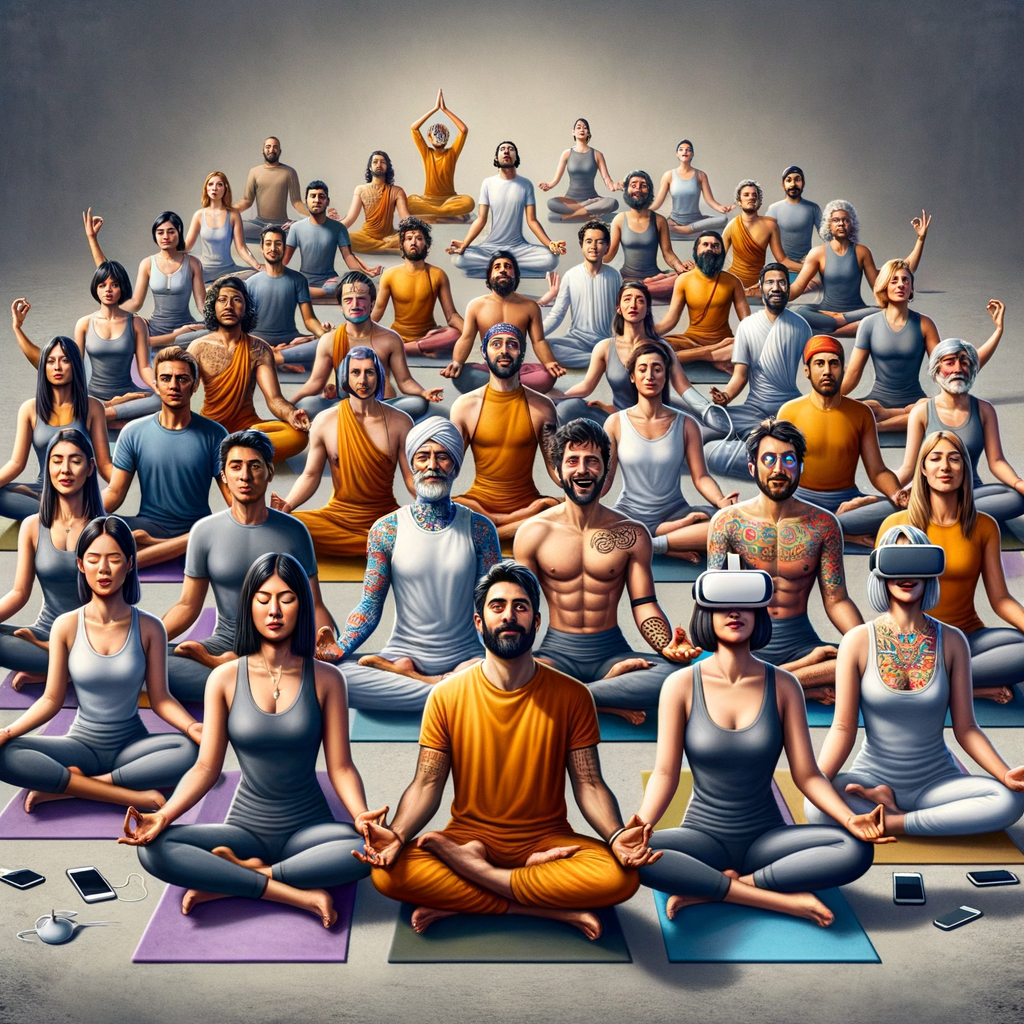
The practice of yoga has been around for thousands of years, and its popularity continues to grow as people seek ways to improve their physical and mental well-being. Traditionally, yoga has been associated with the use of mantras, which are repeated phrases or sounds that are believed to have spiritual or psychological power. However, in recent years, many yogis have been ditching mantras in favor of an unexpected alternative: breathwork, also known as pranayama. Pranayama is the practice of controlling the breath, which is the source of our prana, or life force. The ancient yogis believed that by controlling the breath, one could control the mind and achieve a state of inner peace and balance. Today, modern science is beginning to catch up with this ancient wisdom, and research has shown that breathwork can have a profound impact on our physical and mental health. One of the reasons why yogis are embracing pranayama is because it is a powerful tool for managing stress and anxiety. When we are stressed, our breathing becomes shallow and rapid, which can trigger the body’s fight or flight response. By practicing pranayama, we can learn to slow down and deepen our breath, which can help to calm the nervous system and reduce stress levels. Breathwork can also improve our physical health. Deep breathing can increase the amount of oxygen in our blood, which can improve circulation and boost our immune system. It can also help to improve lung function and increase lung capacity, which is especially beneficial for those with respiratory conditions such as asthma. Another reason why yogis are turning to pranayama is because it can enhance their meditation practice. Meditation is an important part of yoga, and it is often used to quiet the mind and achieve a state of inner stillness. However, many people find it difficult to meditate because they are unable to quiet their thoughts. By focusing on the breath, we can anchor our attention in the present moment, which can make it easier to let go of distracting thoughts and enter a meditative state. Pranayama can also be a powerful tool for self-discovery and personal growth. By observing our breath, we can gain insight into our emotional and mental states. For example, if we notice that our breath is shallow and rapid, it may be a sign that we are feeling anxious or stressed. By becoming more aware of our breath, we can learn to recognize and manage our emotions more effectively. In conclusion, while mantras have been a staple of yoga practice for centuries, many yogis are now turning to pranayama as a powerful alternative. Breathwork offers a wide range of benefits for our physical and mental health, and it can enhance our meditation practice and promote self-discovery. As more people discover the power of breathwork, it is likely that pranayama will continue to gain popularity in the yoga community and beyond.




Comments