


The Ancient Tibetan Practice That’s Transforming Modern Therapy
Table of Contents
Introduction
The ancient Tibetan practice that is transforming modern therapy is called “Tibetan Sound Healing.” This practice involves the use of sound vibrations, specifically through the use of singing bowls, to promote physical, emotional, and spiritual healing. It is based on the belief that sound can influence the body’s energy centers, or chakras, and bring them into balance. This practice has been used for centuries in Tibet and is now gaining popularity in the Western world as a complementary therapy for a variety of health issues.The History and Origins of Ancient Tibetan Practices in Modern Therapy
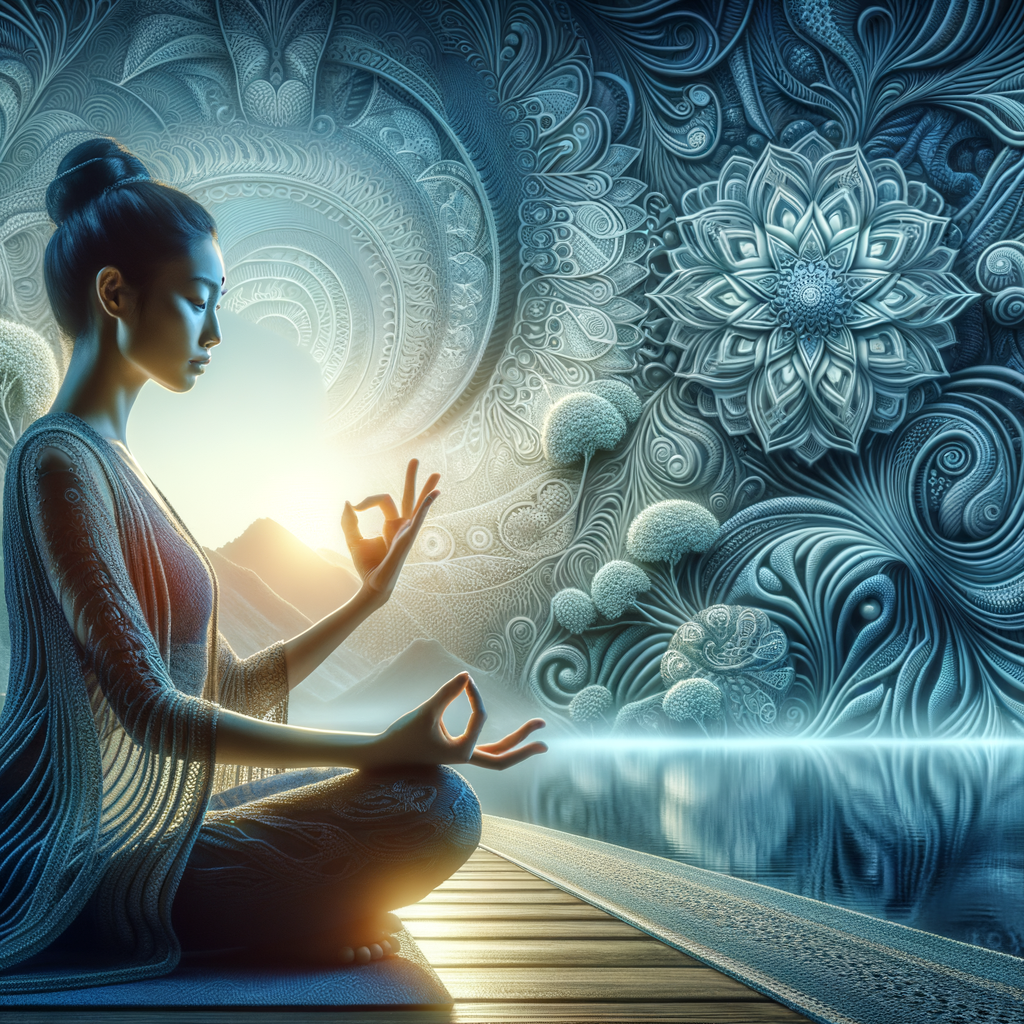
The ancient Tibetan practice of mindfulness meditation has been gaining popularity in the Western world in recent years, and for good reason. This practice, which has been used for centuries by Tibetan monks and nuns, has been shown to have a profound impact on mental health and well-being. In fact, many modern therapists are now incorporating mindfulness meditation into their treatment plans, as it has been proven to be an effective tool for managing stress, anxiety, and depression. Mindfulness meditation is a form of meditation that involves focusing on the present moment, without judgment or distraction. It is a practice that encourages individuals to be fully present in their experiences, rather than getting caught up in thoughts about the past or future. This can be a challenging task, as our minds are often filled with a constant stream of thoughts and worries. However, with practice, individuals can learn to quiet their minds and find a sense of peace and calm. The origins of mindfulness meditation can be traced back to ancient Tibetan Buddhism. In this tradition, meditation is seen as a way to cultivate awareness and compassion, and to develop a deeper understanding of the nature of reality. Tibetan monks and nuns have been practicing mindfulness meditation for centuries, and it is considered to be an essential part of their spiritual practice. In recent years, mindfulness meditation has been embraced by the Western world, and it is now being used as a therapeutic tool in a variety of settings. Many therapists are incorporating mindfulness meditation into their treatment plans, as it has been shown to be an effective way to manage stress, anxiety, and depression. Research has shown that mindfulness meditation can help individuals to develop greater emotional regulation, increase their ability to cope with difficult situations, and improve their overall mental health. One of the reasons that mindfulness meditation is so effective is that it helps individuals to develop a greater awareness of their thoughts and emotions. By learning to observe their thoughts without judgment, individuals can gain a greater understanding of their own mental processes. This can help them to identify negative thought patterns and develop more positive ways of thinking. Additionally, mindfulness meditation can help individuals to develop greater self-compassion, which can be a powerful tool for healing and growth. Mindfulness meditation is also being used in a variety of other settings, including schools, hospitals, and prisons. In these settings, it is being used as a way to help individuals develop greater emotional regulation, reduce stress, and improve their overall well-being. Many individuals who have practiced mindfulness meditation have reported feeling more centered, calm, and focused, and have experienced a greater sense of peace and well-being. In conclusion, the ancient Tibetan practice of mindfulness meditation is transforming modern therapy. This practice, which has been used for centuries by Tibetan monks and nuns, has been shown to have a profound impact on mental health and well-being. By incorporating mindfulness meditation into their treatment plans, therapists are helping individuals to develop greater awareness, emotional regulation, and self-compassion. As more and more people embrace this ancient practice, it is likely that we will continue to see its positive effects on mental health and well-being in the years to come.The Benefits of Integrating Ancient Tibetan Techniques into Contemporary Counseling

The ancient Tibetan practice of mindfulness meditation has been gaining popularity in the Western world for its transformative effects on mental health and well-being. This practice, which has been used for centuries by Tibetan monks, is now being integrated into modern therapy to help individuals cope with stress, anxiety, and depression. Mindfulness meditation involves focusing on the present moment and being aware of one’s thoughts, feelings, and bodily sensations without judgment. This practice helps individuals to become more aware of their thought patterns and to develop a greater sense of control over their emotions. By learning to observe their thoughts and feelings without reacting to them, individuals can develop a greater sense of inner peace and calm. Research has shown that mindfulness meditation can have a positive impact on mental health. Studies have found that it can reduce symptoms of anxiety and depression, improve attention and concentration, and increase overall well-being. It has also been found to be effective in reducing stress and improving sleep quality. One of the key benefits of integrating ancient Tibetan techniques into contemporary counseling is that it provides individuals with a set of tools that they can use to manage their mental health on a daily basis. Unlike traditional therapy, which often focuses on talking through problems, mindfulness meditation provides individuals with a practical way to cope with stress and negative emotions. Another benefit of integrating mindfulness meditation into therapy is that it can be adapted to suit the needs of each individual. It can be practiced in a variety of settings, including in a therapist’s office, at home, or even in the workplace. It can also be tailored to fit the individual’s level of experience and comfort with meditation. In addition to mindfulness meditation, other ancient Tibetan techniques are also being integrated into modern therapy. For example, the practice of loving-kindness meditation, which involves cultivating feelings of compassion and empathy for oneself and others, is being used to help individuals develop a more positive outlook on life. The integration of ancient Tibetan techniques into contemporary counseling is not without its challenges. One of the biggest challenges is that many individuals in the Western world are not familiar with these practices and may be hesitant to try them. However, as more research is conducted on the benefits of mindfulness meditation and other Tibetan techniques, it is likely that they will become more widely accepted and integrated into therapy. In conclusion, the ancient Tibetan practice of mindfulness meditation is transforming modern therapy by providing individuals with a set of tools to manage their mental health. By integrating these techniques into counseling, therapists can help individuals to develop a greater sense of control over their emotions and to improve their overall well-being. As more research is conducted on the benefits of these practices, it is likely that they will become an increasingly important part of therapy in the Western world.


Comments