

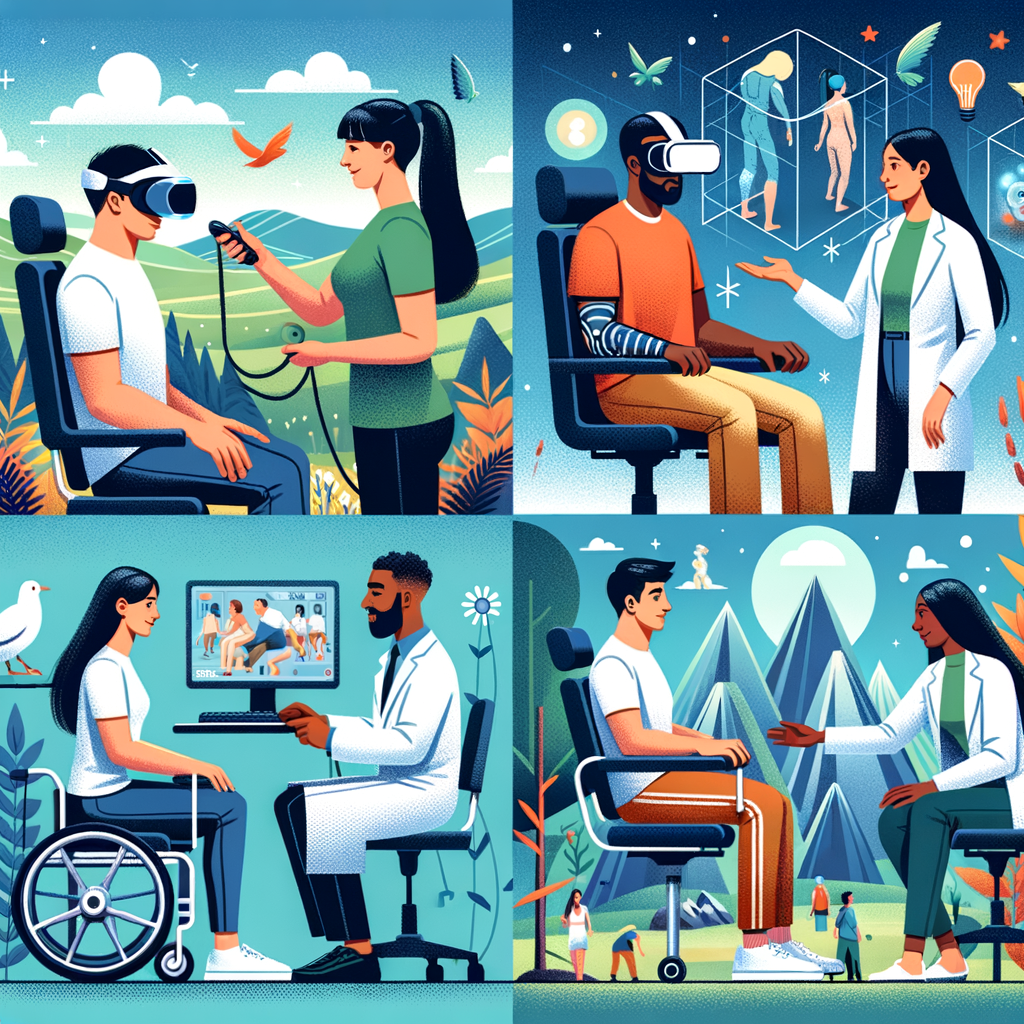
5 Mind-Blowing Ways Virtual Reality Is Revolutionizing Therapy
Table of Contents
Introduction
Virtual reality (VR) technology has been making waves in various industries, and therapy is no exception. This immersive technology is revolutionizing the way mental health professionals approach treatment, offering new and innovative ways to address a range of psychological issues. From exposure therapy for phobias to pain management for chronic conditions, VR is providing therapists with powerful tools to enhance the therapeutic process. Here are five mind-blowing ways virtual reality is transforming the field of therapy and improving patient outcomes.Virtual Reality Exposure Therapy: A Game-Changer for Treating Phobias and PTSD
Virtual reality (VR) technology has been around for decades, but it is only in recent years that it has begun to revolutionize the field of therapy. VR is now being used to treat a wide range of mental health conditions, including phobias and post-traumatic stress disorder (PTSD). In this article, we will explore five mind-blowing ways that VR is changing the game for therapy. One of the most significant ways that VR is revolutionizing therapy is through virtual reality exposure therapy (VRET). VRET is a form of cognitive-behavioral therapy that uses VR to expose patients to the situations or objects that they fear in a controlled and safe environment. This allows patients to confront their fears and learn to manage their anxiety in a way that would be impossible in the real world. For example, someone with a fear of flying can experience a virtual flight without ever leaving the ground, allowing them to work through their fear in a safe and controlled setting. Another way that VR is changing therapy is by providing a new way to treat PTSD. PTSD is a condition that can develop after a person experiences a traumatic event, such as a natural disaster, a car accident, or military combat. VR can be used to recreate the traumatic event in a controlled environment, allowing the patient to process the event and work through their trauma. This can be a powerful tool for helping patients to overcome their PTSD and move forward with their lives. VR is also being used to treat anxiety disorders. Anxiety disorders are the most common mental health condition in the United States, affecting 40 million adults. VR can be used to create virtual environments that mimic the situations that trigger a person’s anxiety, such as public speaking or social situations. This allows patients to practice coping strategies and build confidence in a safe and controlled environment. In addition to treating specific mental health conditions, VR is also being used to promote relaxation and mindfulness. VR can create immersive environments that are designed to help people relax and de-stress. For example, a person can put on a VR headset and be transported to a peaceful beach or a serene forest. This can be a powerful tool for helping people to manage stress and improve their overall mental health. Finally, VR is being used to improve access to therapy. Many people who need therapy do not have access to it due to geographic or financial barriers. VR can be used to provide therapy to people in remote or underserved areas, allowing them to receive the help they need without having to travel long distances or pay for expensive in-person sessions. In conclusion, VR is revolutionizing the field of therapy in many ways. From treating phobias and PTSD to promoting relaxation and mindfulness, VR is providing new and innovative ways to help people manage their mental health. As technology continues to advance, we can expect to see even more exciting developments in the use of VR for therapy in the future.The Power of VR in Cognitive Behavioral Therapy: Enhancing Traditional Techniques
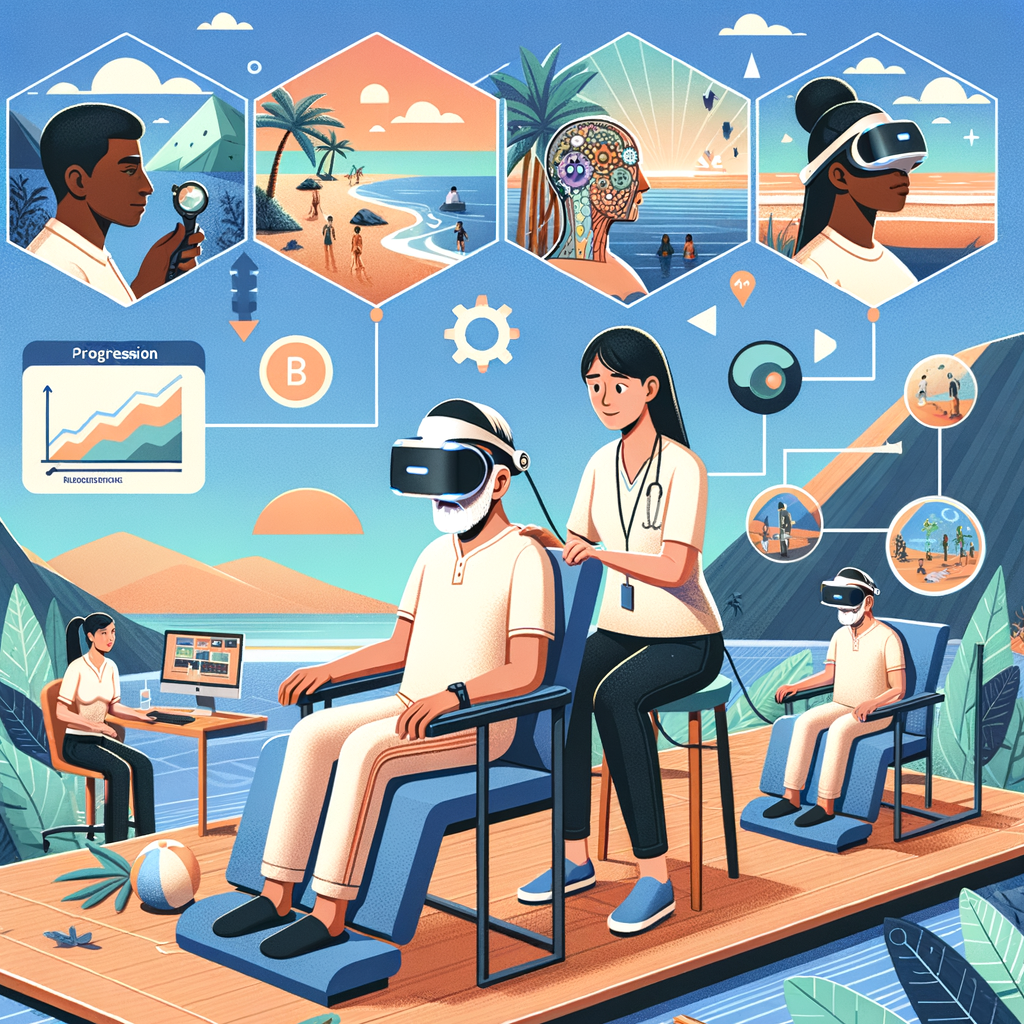
Virtual reality (VR) technology has been making waves in various industries, and the field of therapy is no exception. With its immersive and interactive capabilities, VR is revolutionizing the way therapists approach cognitive behavioral therapy (CBT) and enhancing traditional techniques in mind-blowing ways. One of the most significant ways VR is transforming therapy is by providing a safe and controlled environment for exposure therapy. Exposure therapy is a common CBT technique used to treat anxiety disorders, phobias, and post-traumatic stress disorder (PTSD). It involves gradually exposing the patient to the source of their fear or anxiety in a controlled setting. With VR, therapists can create realistic simulations of the feared situation, allowing patients to confront their fears in a safe and controlled environment. This can be particularly beneficial for patients who may not have access to the real-life situations they need to confront, such as those with a fear of flying or social anxiety. Another way VR is enhancing CBT is by allowing therapists to tailor the therapy experience to the individual patient. With VR, therapists can create personalized simulations that cater to the specific needs and preferences of the patient. This can include adjusting the level of difficulty, changing the environment, or adding specific triggers that the patient needs to work on. This level of customization can make the therapy experience more effective and engaging for the patient. VR is also being used to improve the effectiveness of relaxation and mindfulness techniques. Many CBT sessions involve teaching patients relaxation and mindfulness techniques to help them manage their anxiety and stress. With VR, patients can be transported to calming and serene environments, such as a beach or a forest, where they can practice these techniques in a more immersive and realistic setting. This can help patients to better internalize the techniques and apply them in their daily lives. In addition to enhancing traditional CBT techniques, VR is also being used to develop new and innovative therapy approaches. For example, some therapists are using VR to create virtual support groups, where patients can interact with others who are going through similar experiences. This can provide a sense of community and support that may be difficult to achieve in traditional therapy settings. Finally, VR is making therapy more accessible to a wider range of patients. Traditional therapy can be expensive and time-consuming, and many patients may not have access to a therapist in their area. With VR, patients can receive therapy from the comfort of their own home, at a time that is convenient for them. This can make therapy more accessible to those who may not have been able to receive it otherwise. In conclusion, VR is revolutionizing the field of therapy in mind-blowing ways. By providing a safe and controlled environment for exposure therapy, allowing for personalized therapy experiences, improving relaxation and mindfulness techniques, developing new therapy approaches, and making therapy more accessible, VR is enhancing traditional CBT techniques and changing the way therapists approach treatment. As VR technology continues to advance, we can expect to see even more innovative and effective uses of VR in therapy.





Comments