


5 Mind-Blowing Ways Virtual Reality Is Changing Therapy
Table of Contents
Introduction
Virtual reality (VR) technology has been making waves in various industries, and therapy is no exception. With its immersive and interactive capabilities, VR is revolutionizing the way mental health professionals approach treatment. From exposure therapy for phobias to pain management for chronic conditions, VR is providing innovative solutions that are changing the therapeutic landscape. In this introduction, we will explore five mind-blowing ways in which virtual reality is transforming therapy, offering new possibilities for both therapists and patients alike.The Impact of Virtual Reality on Exposure Therapy for Phobias
Virtual reality (VR) technology has been making waves in various industries, and the field of therapy is no exception. With its immersive and interactive capabilities, VR is revolutionizing the way therapists approach exposure therapy for phobias. Here are five mind-blowing ways VR is changing the game for individuals seeking treatment for their fears. Firstly, VR allows for a controlled and safe environment for exposure therapy. Traditionally, exposure therapy involves gradually exposing individuals to their feared object or situation in real life. However, this can be challenging and potentially dangerous, depending on the phobia. With VR, therapists can create a virtual environment that mimics the real-life situation, allowing individuals to confront their fears in a controlled setting. This not only ensures the safety of the individual but also allows for a more gradual and customizable exposure experience. Secondly, VR provides a more realistic and immersive experience than traditional methods. In the past, therapists may have used pictures or videos to expose individuals to their fears, but these methods lack the sensory and emotional impact of a real-life situation. VR, on the other hand, engages multiple senses and creates a more lifelike experience, making the exposure therapy more effective. This heightened realism can lead to a more rapid reduction in fear and anxiety levels. Thirdly, VR allows for repeated exposure without the logistical challenges of real-life situations. For example, someone with a fear of flying may not have the means or opportunity to repeatedly board a plane for exposure therapy. With VR, they can experience a virtual flight as many times as necessary without leaving the therapist’s office. This convenience and accessibility can make exposure therapy more feasible for individuals with busy schedules or limited resources. Fourthly, VR can be used to treat a wide range of phobias. From fear of heights to social anxiety, VR technology can create virtual environments for almost any phobia. This versatility makes VR a valuable tool for therapists, as they can tailor the virtual experience to the specific needs of each individual. Additionally, VR can be used in conjunction with other therapeutic techniques, such as cognitive-behavioral therapy, to enhance the overall treatment experience. Lastly, VR has the potential to reach a wider audience. With the increasing availability and affordability of VR technology, more individuals may have access to exposure therapy from the comfort of their own homes. This could be particularly beneficial for those who live in remote areas or have mobility issues that prevent them from attending in-person therapy sessions. Furthermore, the use of VR in therapy could reduce the stigma associated with seeking treatment for phobias, as individuals may feel more comfortable confronting their fears in a virtual setting. In conclusion, virtual reality is transforming the way therapists approach exposure therapy for phobias. Its ability to create a controlled, realistic, and immersive environment, along with its convenience and versatility, make it a powerful tool in the treatment of fears and anxieties. As VR technology continues to advance, we can expect to see even more innovative and effective ways it will be used in therapy. The impact of virtual reality on exposure therapy is just beginning, and the possibilities are truly mind-blowing.Virtual Reality as a Tool for Pain Management in Clinical Settings
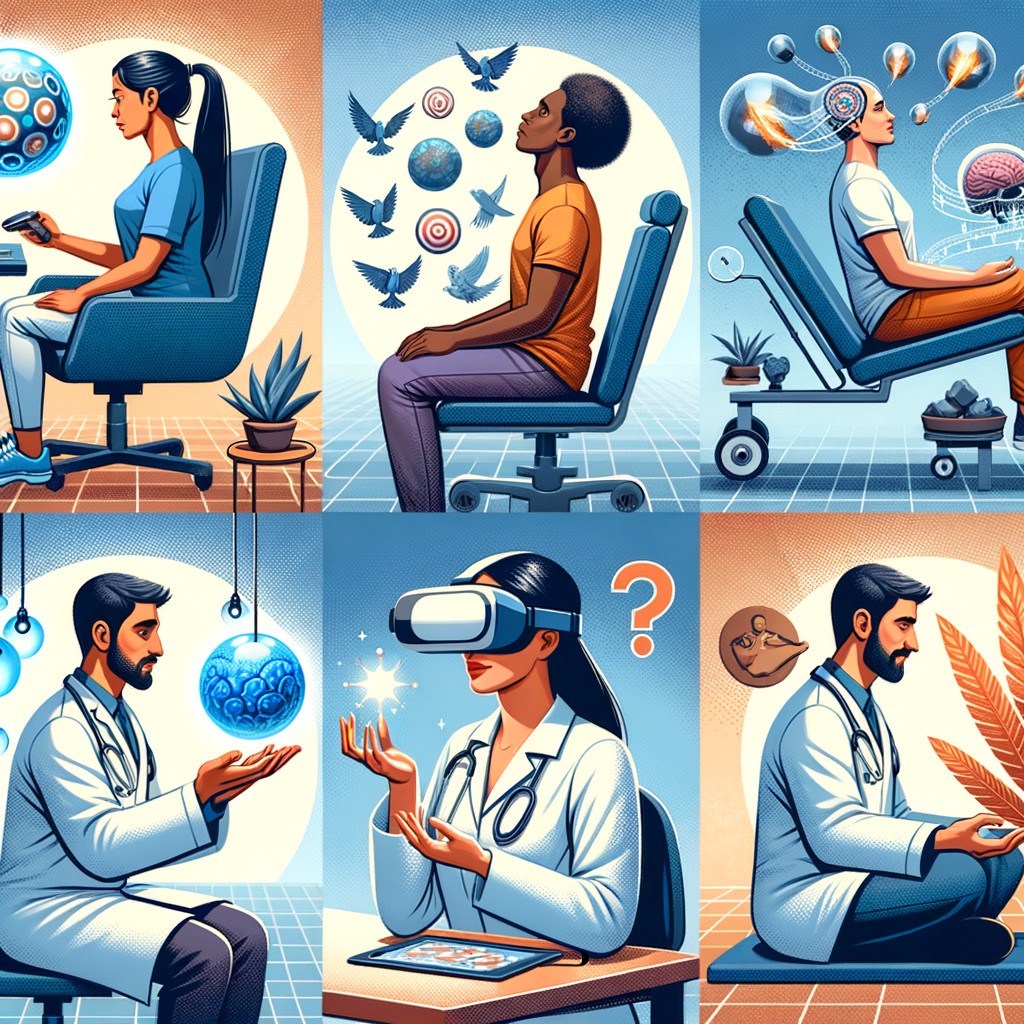
Virtual reality (VR) technology has been around for decades, but it is only in recent years that it has begun to make significant inroads into the field of therapy. As VR technology continues to advance, it is becoming an increasingly valuable tool for pain management in clinical settings. Here are five mind-blowing ways that VR is changing therapy. Firstly, VR is being used to help patients manage chronic pain. Chronic pain is a debilitating condition that affects millions of people worldwide. Traditional pain management techniques, such as medication and physical therapy, can be effective, but they also have limitations. VR offers a new approach to pain management that is non-invasive and drug-free. By immersing patients in a virtual environment, VR can help to distract them from their pain and reduce their perception of it. Studies have shown that VR can be effective in reducing pain in patients with conditions such as fibromyalgia, arthritis, and even cancer. Secondly, VR is being used to treat phobias and anxiety disorders. Exposure therapy is a common treatment for phobias, but it can be difficult to replicate the conditions that trigger a patient’s fear in a controlled environment. VR allows therapists to create realistic simulations of the situations that cause anxiety, such as flying in an airplane or speaking in public. By gradually exposing patients to these virtual environments, they can learn to manage their anxiety and overcome their phobias. Thirdly, VR is being used to help patients with post-traumatic stress disorder (PTSD). PTSD is a condition that can develop after a person experiences a traumatic event, such as a natural disaster or a violent assault. VR can be used to create a safe and controlled environment in which patients can confront and process their traumatic memories. By doing so, they can reduce the intensity of their symptoms and improve their overall quality of life. Fourthly, VR is being used to aid in the rehabilitation of stroke patients. Stroke can cause a range of physical and cognitive impairments, and rehabilitation can be a long and challenging process. VR can be used to create virtual environments that simulate real-world tasks, such as cooking or driving. By practicing these tasks in a virtual environment, patients can improve their motor skills and cognitive function. Finally, VR is being used to help patients with autism spectrum disorder (ASD). ASD is a developmental disorder that affects social interaction and communication. VR can be used to create virtual environments that simulate social situations, such as a classroom or a job interview. By practicing these situations in a virtual environment, patients with ASD can improve their social skills and reduce their anxiety. In conclusion, VR is a powerful tool for pain management in clinical settings. It offers a new approach to therapy that is non-invasive, drug-free, and highly effective. As VR technology continues to advance, it is likely that we will see even more innovative uses for it in the field of therapy. Whether it is helping patients manage chronic pain, overcome phobias, or improve their social skills, VR is changing the way we think about therapy and the possibilities it offers.





Comments