

The One Mindfulness Technique That’s Transforming Classrooms
Table of Contents
Introduction
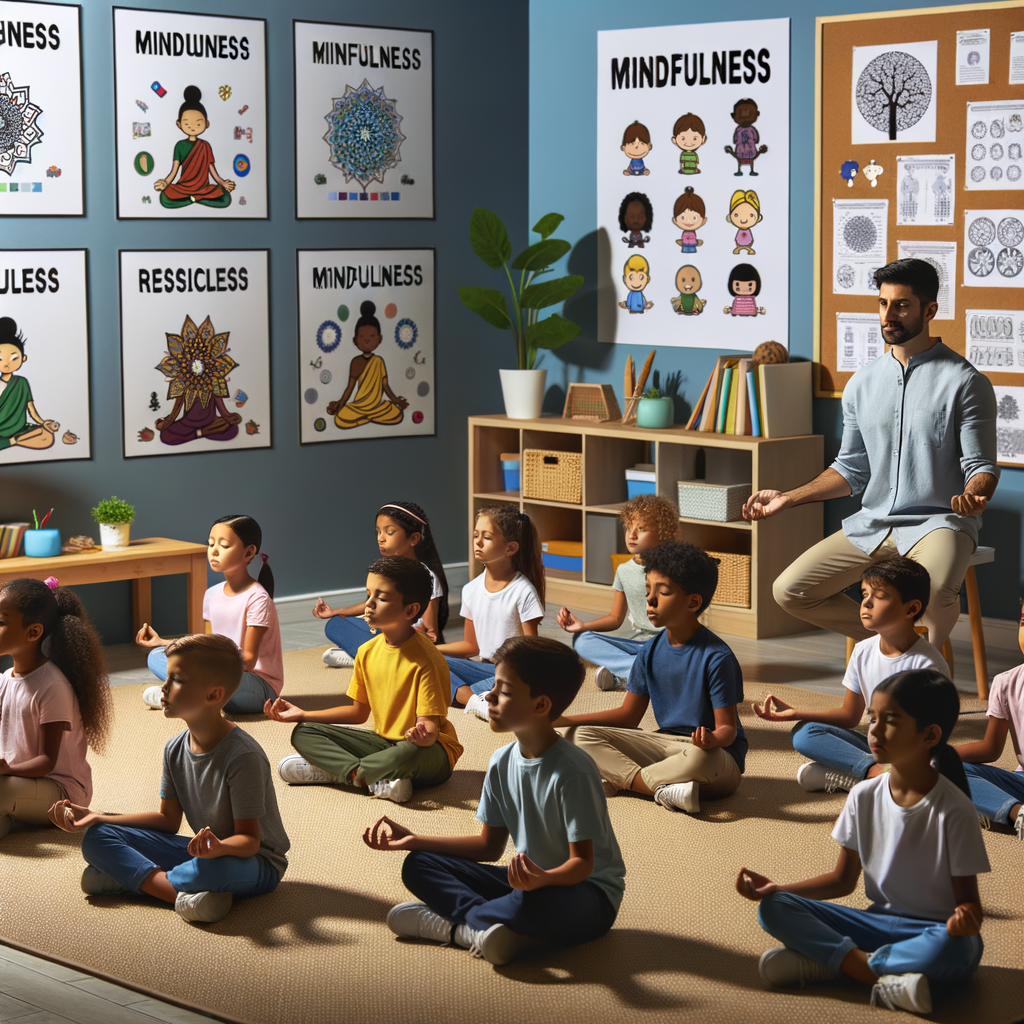
The One Mindfulness Technique That’s Transforming Classrooms is the practice of mindfulness meditation. This technique involves guiding students through deep breathing exercises, body scans, and focused attention on the present moment. By incorporating mindfulness into the classroom, educators are helping students reduce stress, improve focus, and enhance their overall well-being. This technique is gaining popularity as research continues to show its positive impact on both academic performance and emotional health.The Power of Mindful Breathing in Education
Mindfulness has become a buzzword in recent years, with many people touting its benefits for mental health and well-being. But what exactly is mindfulness, and how can it be applied in the classroom? Mindfulness is the practice of being present and fully engaged in the moment, without judgment or distraction. It involves paying attention to our thoughts, feelings, and bodily sensations, and can be cultivated through various techniques such as meditation, yoga, and deep breathing. One mindfulness technique that is gaining popularity in classrooms is mindful breathing. This simple yet powerful practice involves focusing on the breath, noticing the sensations of inhaling and exhaling, and gently bringing the attention back to the breath whenever the mind wanders. Mindful breathing can be done anywhere, at any time, and requires no special equipment or training. It is a versatile tool that can be used to help students calm down, focus, and manage stress. Research has shown that mindful breathing can have a positive impact on students’ mental health and academic performance. A study published in the journal Mindfulness found that students who practiced mindful breathing for just 10 minutes a day for four weeks reported lower levels of stress and anxiety, and improved attention and concentration. Another study published in the Journal of School Psychology found that students who participated in a mindfulness program that included mindful breathing had better grades and fewer behavioral problems than those who did not. Mindful breathing can also help students develop emotional regulation skills. By learning to observe their thoughts and feelings without reacting to them, students can gain greater control over their emotions and responses. This can be especially beneficial for students who struggle with anxiety, anger, or impulsivity. Mindful breathing can also help students build resilience, as they learn to cope with stress and challenges in a healthy way. In addition to its benefits for students, mindful breathing can also be a valuable tool for teachers. Teaching is a demanding profession, and educators often face high levels of stress and burnout. By incorporating mindful breathing into their daily routine, teachers can reduce their own stress levels and improve their well-being. This can have a positive impact on their teaching, as they are better able to manage their emotions and create a calm and supportive classroom environment. Mindful breathing is a simple yet powerful technique that can transform classrooms. It can help students and teachers alike to manage stress, improve focus, and develop emotional regulation skills. By incorporating mindful breathing into the school day, educators can create a more mindful and supportive learning environment. As the research continues to show the benefits of mindfulness in education, it is likely that more and more schools will adopt this practice. Mindful breathing is a tool that can help students and teachers thrive, both in the classroom and beyond.How Mindfulness Improves Focus and Learning in the Classroom

Mindfulness is a practice that has been gaining popularity in recent years, and for good reason. It has been shown to have numerous benefits for mental and physical health, and now it is making its way into classrooms as a way to improve focus and learning. One mindfulness technique, in particular, is transforming the way students approach their education, and it’s called “mindful breathing.” Mindful breathing is a simple yet powerful technique that involves focusing on the breath as it moves in and out of the body. By paying attention to the breath, students can learn to quiet their minds and become more present in the moment. This can help them to better concentrate on their studies and retain information more effectively. Research has shown that mindfulness practices like mindful breathing can have a positive impact on cognitive function. A study published in the journal Psychological Science found that just two weeks of mindfulness training improved reading comprehension, working memory, and focus in undergraduate students. Another study published in the journal Mindfulness found that mindfulness training improved attention and executive function in elementary school children. In addition to improving cognitive function, mindfulness can also help to reduce stress and anxiety, which can be major barriers to learning. When students are stressed or anxious, their brains are in a state of fight or flight, which makes it difficult to concentrate and process information. Mindfulness can help to calm the nervous system and create a more relaxed state of mind, which is conducive to learning. Teachers who have implemented mindful breathing in their classrooms have reported seeing a noticeable difference in their students’ behavior and academic performance. Students are more focused, more engaged, and more resilient in the face of challenges. They are also better able to manage their emotions and handle stress, which can lead to a more positive classroom environment overall. One of the great things about mindful breathing is that it is easy to implement and can be done anywhere, at any time. Teachers can lead their students in a few minutes of mindful breathing at the beginning of class to help them settle in and prepare for learning. It can also be used as a tool to help students refocus if they become distracted or overwhelmed during class. Mindful breathing is not just beneficial for students, but for teachers as well. Teaching can be a stressful job, and mindfulness can help teachers to manage their own stress and avoid burnout. By practicing mindful breathing themselves, teachers can model the behavior for their students and create a culture of mindfulness in their classrooms. In conclusion, mindful breathing is a simple yet powerful mindfulness technique that is transforming classrooms by improving focus and learning. It has been shown to have a positive impact on cognitive function, reduce stress and anxiety, and create a more positive classroom environment. By incorporating mindful breathing into their daily routines, teachers and students alike can experience the many benefits of mindfulness and create a more conducive environment for learning.





Comments