

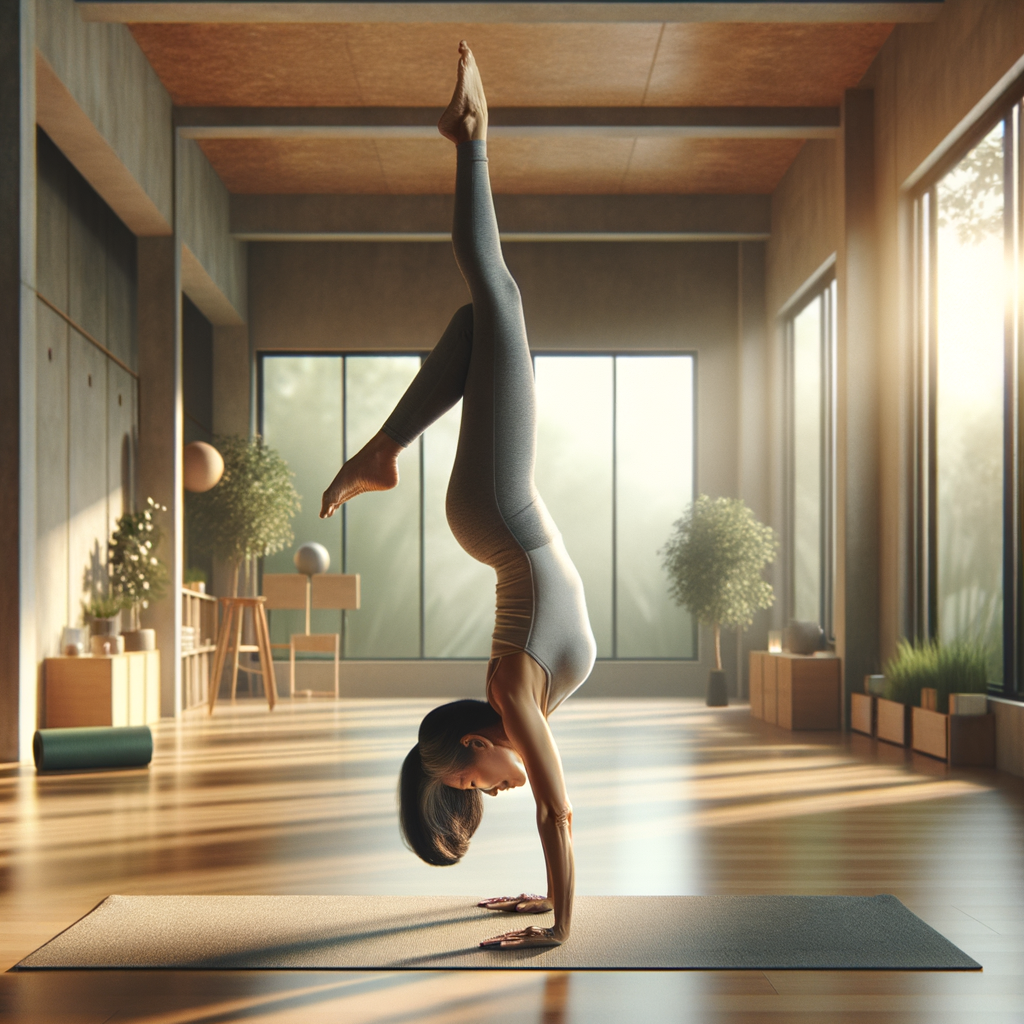
The Mind-Boggling Effects of Practicing Yoga Upside Down
Table of Contents
Introduction
The practice of yoga has been around for centuries, offering a multitude of physical and mental benefits to those who incorporate it into their daily routine. However, there is a unique aspect of yoga that takes these benefits to a whole new level – practicing yoga upside down. Inverting the body during yoga poses, such as headstands, handstands, and shoulder stands, can have mind-boggling effects on the practitioner’s overall well-being. From improved circulation and increased strength to enhanced focus and mental clarity, the advantages of upside-down yoga are vast and varied. In this introduction, we will explore the various ways in which inverting the body during yoga practice can positively impact one’s health and vitality.The Surprising Benefits of Inverted Yoga Poses on Mental Health
The Mind-Boggling Effects of Practicing Yoga Upside Down Yoga is an ancient practice that has been used for centuries to promote physical and mental well-being. While many people are familiar with the more common yoga poses, such as downward dog or warrior pose, there is a lesser-known aspect of yoga that can have profound effects on mental health: inverted yoga poses. These poses, which involve turning the body upside down, can have a surprising impact on the mind and overall well-being. Inverted yoga poses, such as headstands, handstands, and shoulder stands, are known for their ability to increase blood flow to the brain. This increased blood flow can have a number of positive effects on mental health. For one, it can help to improve concentration and focus. When the brain receives more oxygen and nutrients, it is better able to function at its highest capacity. This can lead to improved cognitive function and a greater ability to concentrate on tasks. Additionally, practicing inverted yoga poses can help to reduce stress and anxiety. When the body is turned upside down, it triggers the parasympathetic nervous system, which is responsible for the body’s “rest and digest” response. This can lead to a sense of calm and relaxation, which can be incredibly beneficial for those who suffer from anxiety or high levels of stress. Furthermore, inverted yoga poses can also help to improve mood and alleviate symptoms of depression. The increased blood flow to the brain can lead to the release of endorphins, which are the body’s natural mood-boosting chemicals. This can lead to a greater sense of happiness and well-being, and can be especially helpful for those who struggle with depression. In addition to the mental health benefits, inverted yoga poses can also have a positive impact on physical health. They can help to improve balance and coordination, as well as increase strength and flexibility. This can lead to a greater sense of overall physical well-being, which can in turn have a positive impact on mental health. Of course, it is important to approach inverted yoga poses with caution, especially for those who are new to the practice. It is recommended to start with more gentle inversions, such as legs up the wall, before moving on to more advanced poses. It is also important to listen to the body and not push too hard, as this can lead to injury. In conclusion, the practice of inverted yoga poses can have a mind-boggling effect on mental health. The increased blood flow to the brain can lead to improved concentration and focus, reduced stress and anxiety, and improved mood. Additionally, the physical benefits of these poses can also contribute to a greater sense of overall well-being. While it is important to approach these poses with caution, the potential benefits make them a valuable addition to any yoga practice.How Upside-Down Yoga Can Enhance Cognitive Function and Creativity

The Mind-Boggling Effects of Practicing Yoga Upside Down Yoga is an ancient practice that has been used for centuries to promote physical and mental well-being. While many people are familiar with the traditional poses and stretches, there is a lesser-known aspect of yoga that involves practicing upside down. This type of yoga, known as inversion yoga, involves poses that invert the body, such as headstands, handstands, and shoulder stands. The benefits of practicing yoga upside down are numerous, and recent research has shown that it can have a profound impact on cognitive function and creativity. One of the most significant benefits of inversion yoga is the increased blood flow to the brain. When the body is inverted, gravity helps to move blood and oxygen to the brain more efficiently. This increased blood flow can help to improve cognitive function, as the brain is receiving more of the nutrients it needs to function at its best. Studies have shown that practicing inversion yoga can lead to improved memory, better concentration, and increased mental clarity. In addition to the physical benefits, inversion yoga can also have a positive impact on mental health. The practice of turning the body upside down can be a powerful tool for reducing stress and anxiety. When the body is inverted, the parasympathetic nervous system is activated, which helps to calm the mind and reduce feelings of stress. This can lead to a greater sense of well-being and a more positive outlook on life. Furthermore, inversion yoga can also enhance creativity. The act of turning the body upside down can help to break through mental blocks and stimulate new ways of thinking. When the body is in an inverted position, the brain is forced to work in a different way, which can lead to new insights and ideas. This can be especially beneficial for those who work in creative fields, as it can help to spark inspiration and encourage innovative thinking. While the benefits of inversion yoga are clear, it is important to approach the practice with caution. Inversion poses can be challenging and should be approached with care, especially for those who are new to yoga. It is recommended to start with gentle inversions, such as legs up the wall, and gradually work up to more advanced poses. It is also important to listen to the body and avoid pushing too hard, as this can lead to injury. In conclusion, the practice of inversion yoga can have a profound impact on cognitive function and creativity. The increased blood flow to the brain can lead to improved memory, concentration, and mental clarity, while the activation of the parasympathetic nervous system can help to reduce stress and anxiety. Additionally, the act of turning the body upside down can stimulate new ways of thinking and encourage innovative ideas. While inversion yoga can be challenging, the benefits are well worth the effort, and it can be a valuable addition to any yoga practice.




Comments