

Why Your Yoga Mat Might Be Sabotaging Your Practice
Table of Contents
Introduction
Yoga mats are an essential tool for any yoga practitioner, providing a comfortable and stable surface for performing various poses and exercises. However, not all yoga mats are created equal, and using the wrong type of mat can actually hinder your practice rather than enhance it. Factors such as the material, thickness, and texture of your yoga mat can affect your grip, alignment, and overall comfort during your practice. In this introduction, we will explore the reasons why your yoga mat might be sabotaging your practice and what you can do to ensure you have the right mat for your needs.The Dangers of Toxic Materials in Yoga Mats
Yoga is a practice that has been around for thousands of years, and it has become increasingly popular in recent years for its physical and mental health benefits. However, many people may not realize that the very tool they use to practice yoga, their yoga mat, could be sabotaging their practice. The dangers of toxic materials in yoga mats are real, and it is important to be aware of them to ensure a safe and healthy yoga practice. Many yoga mats on the market today are made from PVC (polyvinyl chloride), a type of plastic that is known to be harmful to both human health and the environment. PVC is a known carcinogen and has been linked to a variety of health issues, including respiratory problems, reproductive issues, and even cancer. Additionally, PVC is not biodegradable, meaning that it will sit in landfills for hundreds of years, releasing toxic chemicals into the environment. Another common material used in yoga mats is EVA (ethylene-vinyl acetate), which is also a type of plastic. While EVA is considered to be less toxic than PVC, it still contains chemicals that can be harmful to human health. EVA mats can release chemicals called phthalates, which have been linked to hormone disruption and other health issues. In addition to the health risks associated with toxic materials in yoga mats, there is also the issue of the environmental impact. The production of PVC and EVA mats requires the use of fossil fuels, which contributes to climate change. Furthermore, the disposal of these mats is problematic, as they do not biodegrade and can release harmful chemicals into the environment. So, what can you do to ensure that your yoga mat is not sabotaging your practice? The first step is to choose a mat made from natural, non-toxic materials. There are many options available, including mats made from natural rubber, jute, or cork. These materials are biodegradable and do not release harmful chemicals into the environment. Another option is to choose a mat that is certified by an independent organization, such as the OEKO-TEX Standard 100. This certification ensures that the mat has been tested for harmful substances and is safe for human health and the environment. It is also important to take care of your yoga mat properly to ensure that it lasts as long as possible. This means cleaning it regularly with natural, non-toxic cleaners and storing it in a cool, dry place. By taking care of your mat, you can reduce the need to replace it frequently, which is better for both your wallet and the environment. In conclusion, the dangers of toxic materials in yoga mats are real and should not be ignored. By choosing a mat made from natural, non-toxic materials and taking care of it properly, you can ensure that your yoga practice is safe and healthy for both you and the environment. Remember, your yoga mat is an essential tool in your practice, so make sure it is not sabotaging your efforts to achieve physical and mental well-being.How a Poorly Cushioned Mat Affects Your Alignment
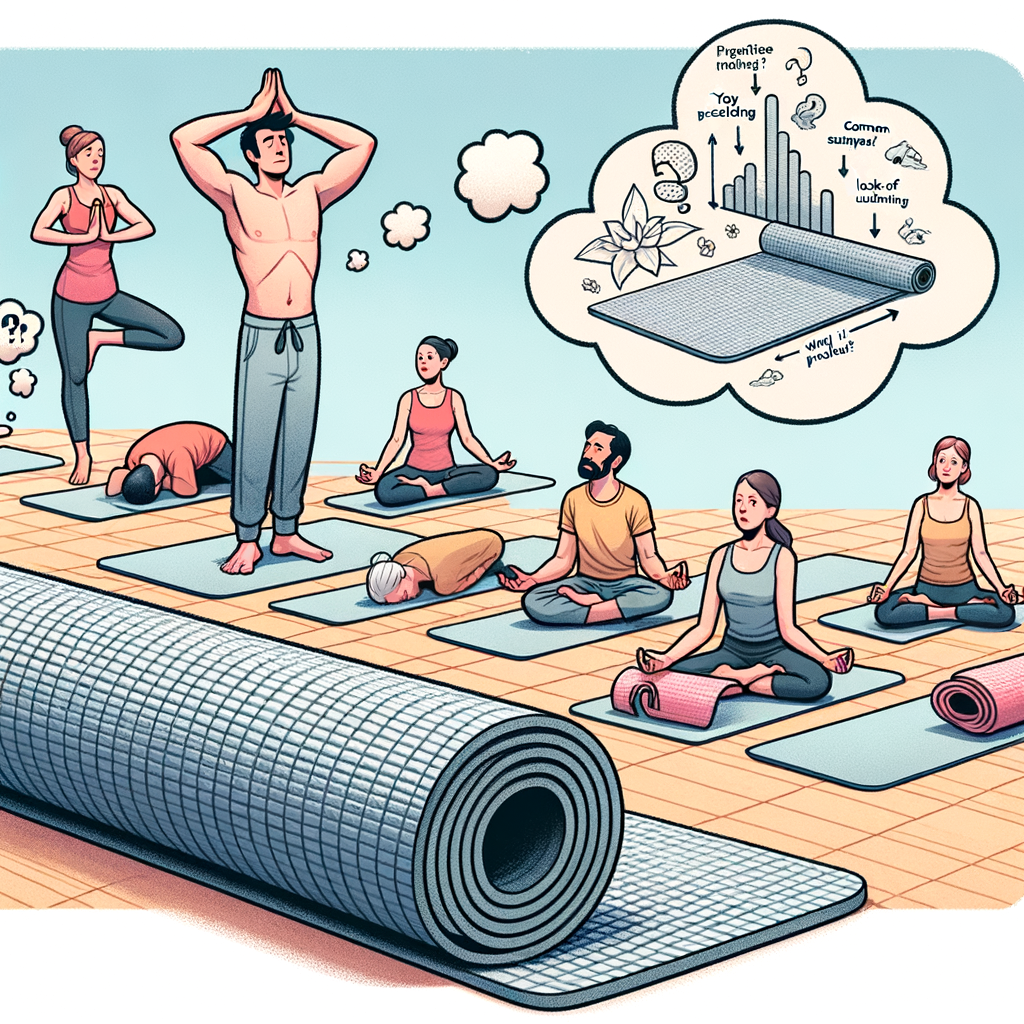
Yoga is a practice that has been around for thousands of years, and it has gained immense popularity in recent years for its numerous physical and mental health benefits. However, many practitioners may not realize that their yoga mat could be sabotaging their practice. A poorly cushioned mat can have a significant impact on your alignment, which is a crucial aspect of yoga. Alignment is the foundation of a safe and effective yoga practice. It refers to the way in which the body is positioned in each pose, and it is essential for preventing injury and getting the most out of each posture. When your mat is too thin or lacks proper cushioning, it can throw off your alignment and make it difficult to maintain the correct form. For example, in poses that require you to balance on one foot, such as Tree Pose or Warrior III, a thin mat can cause your foot to sink into the ground, making it challenging to maintain stability. This can lead to overcompensation in other parts of the body, such as the hips or shoulders, which can cause strain and discomfort. Similarly, in poses that require you to place your knees or elbows on the ground, such as Camel Pose or Forearm Plank, a poorly cushioned mat can cause discomfort and pain. This can make it difficult to hold the pose for an extended period, and it can also lead to bruising or injury. Furthermore, a thin mat can also make it challenging to maintain proper alignment in seated poses, such as Forward Fold or Seated Twist. Without adequate cushioning, your sit bones can dig into the ground, causing discomfort and making it difficult to sit up straight. This can lead to rounding of the spine, which can cause back pain and other issues. In addition to affecting your alignment, a poorly cushioned mat can also impact your overall practice. When you are uncomfortable or in pain, it can be challenging to focus on your breath and stay present in the moment. This can detract from the meditative aspect of yoga and make it difficult to fully relax and unwind. To avoid these issues, it is essential to invest in a high-quality yoga mat that provides adequate cushioning and support. Look for a mat that is at least 4-6mm thick, and consider one with extra padding if you have sensitive joints or are prone to injury. Additionally, make sure that your mat is made from a non-slip material to prevent sliding and maintain stability in poses. In conclusion, your yoga mat plays a crucial role in your practice, and a poorly cushioned mat can have a significant impact on your alignment and overall experience. By investing in a high-quality mat, you can ensure that you are getting the most out of your practice and avoiding unnecessary discomfort and injury. Remember, your yoga mat is the foundation of your practice, so make sure it is supporting you in the best way possible.




Comments