

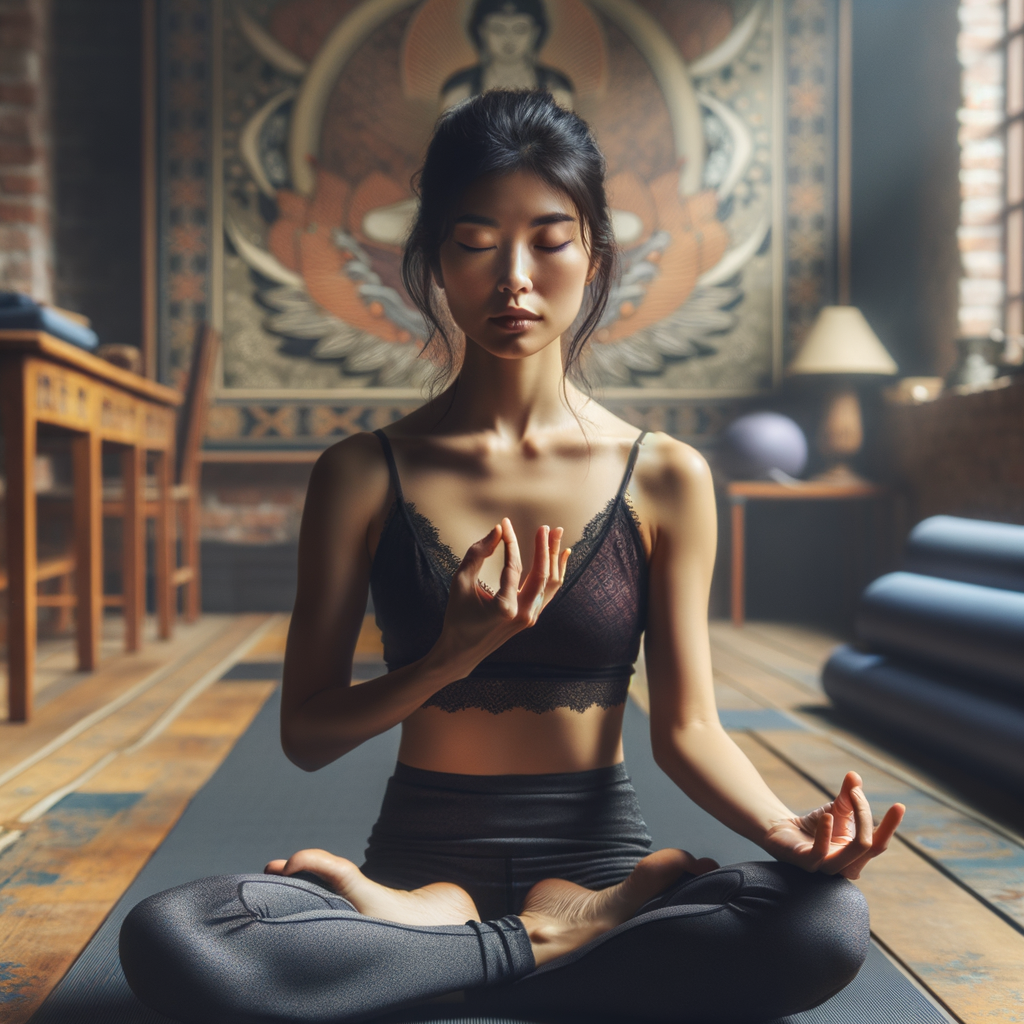
Unlock the Power of Your Breath with This Yogic Technique
Table of Contents
Introduction
Unlock the power of your breath with the ancient yogic technique of pranayama. This practice involves controlling and regulating your breath to enhance physical, mental, and emotional well-being. By learning and incorporating pranayama into your daily routine, you can improve your respiratory health, reduce stress, increase energy levels, and achieve a deeper sense of relaxation and mindfulness. Discover the transformative effects of conscious breathing and elevate your yoga practice to new heights.Discover the Benefits of Pranayama for Stress Relief and Relaxation
Unlock the Power of Your Breath with This Yogic Technique Breathing is an essential function of the human body, yet many of us take it for granted. We often breathe shallowly and unconsciously, not realizing the potential power that lies within our breath. Pranayama, a yogic technique that focuses on controlling the breath, can help us unlock this power and experience a range of benefits for stress relief and relaxation. Pranayama is a Sanskrit word that translates to “extension of the life force.” It is a practice that has been used for thousands of years in yoga and meditation to help individuals achieve a state of calm and balance. The technique involves a series of breathing exercises that are designed to regulate the flow of breath and increase the amount of oxygen that is taken into the body. One of the most basic pranayama exercises is deep breathing. This involves taking slow, deep breaths in through the nose and out through the mouth. By focusing on the breath and taking deep, controlled breaths, we can calm the mind and reduce stress levels. Deep breathing also helps to increase lung capacity and improve overall respiratory function. Another popular pranayama exercise is alternate nostril breathing. This involves closing one nostril with the thumb and inhaling through the other nostril, then closing the other nostril with the ring finger and exhaling through the first nostril. This exercise helps to balance the left and right hemispheres of the brain, promoting a sense of calm and relaxation. Pranayama can also be used to help manage anxiety and depression. By focusing on the breath and practicing controlled breathing exercises, we can quiet the mind and reduce the symptoms of these conditions. Pranayama has been shown to lower cortisol levels, the hormone associated with stress, and increase the production of endorphins, the body’s natural mood elevators. In addition to its mental health benefits, pranayama can also improve physical health. The practice has been shown to lower blood pressure, improve digestion, and boost the immune system. By increasing the amount of oxygen that is taken into the body, pranayama can also help to increase energy levels and improve overall well-being. To get started with pranayama, it is important to find a quiet and comfortable place to practice. Begin by sitting in a comfortable position with the spine straight and the shoulders relaxed. Close the eyes and take a few deep breaths to center yourself. Then, choose a pranayama exercise to practice, such as deep breathing or alternate nostril breathing. Start with just a few minutes of practice each day and gradually increase the time as you become more comfortable with the technique. In conclusion, pranayama is a powerful yogic technique that can help us unlock the power of our breath and experience a range of benefits for stress relief and relaxation. By practicing pranayama regularly, we can improve our mental and physical health and achieve a state of balance and calm. So take a deep breath and discover the power of pranayama for yourself.Enhance Your Meditation Practice with These Breathing Techniques
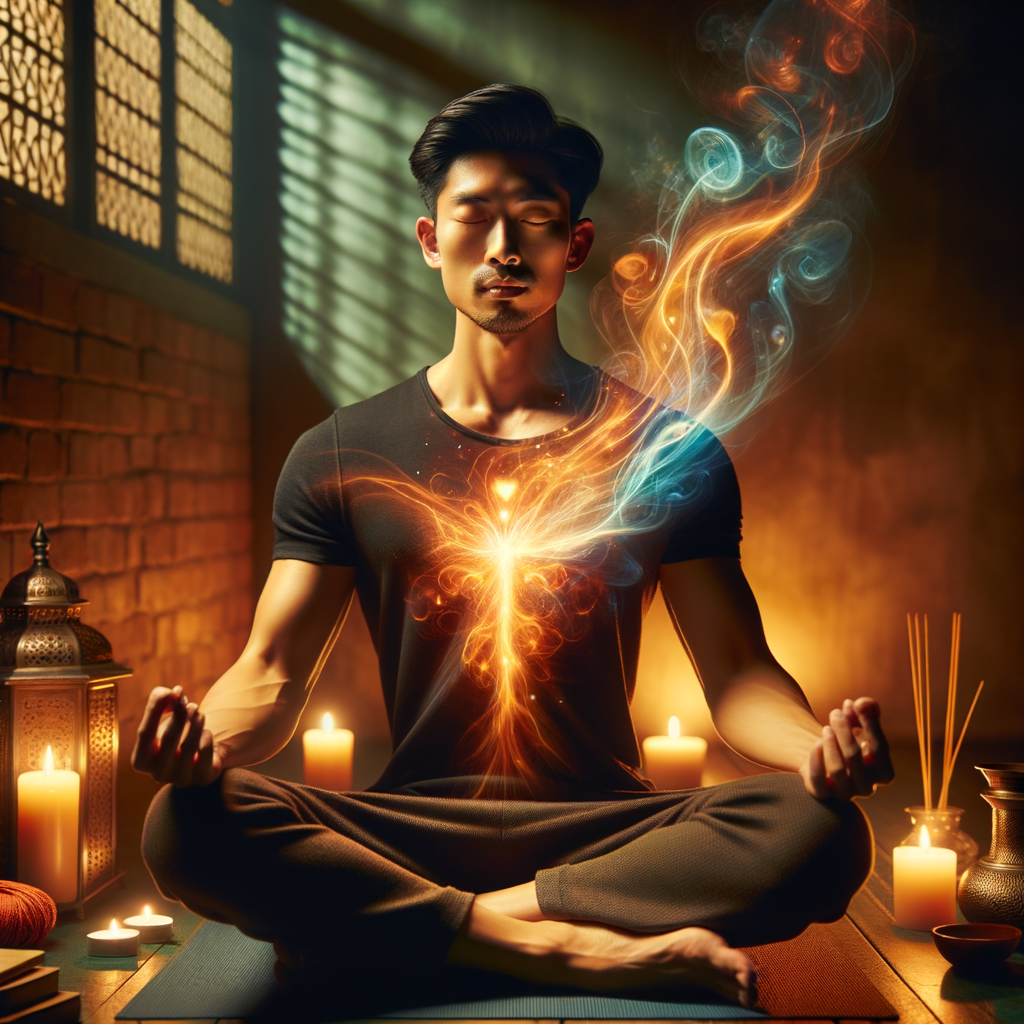
Breathing is an essential part of our existence, yet we often take it for granted. It is the first thing we do when we are born and the last thing we do before we die. However, most of us are not aware of the power that lies within our breath. In the practice of yoga, breath is considered to be the bridge between the body and the mind. By harnessing the power of our breath, we can unlock a whole new level of awareness and control over our physical and mental well-being. One of the most powerful yogic breathing techniques is called Pranayama. Pranayama is a Sanskrit word that means “extension of the life force.” It is a practice that involves controlling the breath to increase the flow of prana, or life force energy, throughout the body. Pranayama is not just about taking deep breaths; it is about learning to control the breath in a way that allows us to access a deeper level of consciousness. There are many different types of Pranayama, each with its own unique benefits. One of the most basic and widely practiced forms of Pranayama is called Ujjayi breath, also known as “ocean breath” or “victorious breath.” Ujjayi breath is performed by inhaling and exhaling through the nose while constricting the back of the throat. This creates a soft, ocean-like sound that helps to calm the mind and focus the attention. Another popular form of Pranayama is called Nadi Shodhana, or “alternate nostril breathing.” This technique involves using the fingers to alternately block one nostril while inhaling and exhaling through the other. Nadi Shodhana is said to balance the left and right hemispheres of the brain, promoting mental clarity and emotional stability. Pranayama can be a powerful tool for enhancing your meditation practice. By learning to control the breath, you can quiet the mind and enter a deeper state of relaxation. When the mind is calm and focused, it is easier to access the meditative state and experience the many benefits of meditation, such as reduced stress, improved concentration, and increased self-awareness. To get started with Pranayama, it is important to find a quiet, comfortable place where you can sit or lie down without being disturbed. Begin by taking a few deep breaths, focusing on the sensation of the breath as it enters and leaves the body. Once you feel relaxed and centered, you can begin to experiment with different Pranayama techniques. It is important to remember that Pranayama is a practice that requires patience and dedication. It may take some time to master the techniques and experience the full benefits. However, with regular practice, you will begin to notice a profound shift in your physical and mental well-being. In conclusion, the power of the breath is often overlooked, but it is a vital tool for enhancing our overall health and well-being. By incorporating Pranayama into your meditation practice, you can unlock the full potential of your breath and experience a deeper level of awareness and control over your mind and body. So take a deep breath, and let the power of your breath transform your life.

Comments