


The Shocking Truth About Meditation Apps: Are They Helping or Hurting?
Table of Contents
Introduction
Meditation apps have become increasingly popular in recent years, promising to help users reduce stress, improve focus, and enhance overall well-being. However, there is a growing debate about the effectiveness of these apps and whether they are truly beneficial or potentially harmful. This article will explore the shocking truth about meditation apps, examining the potential benefits and drawbacks, and shedding light on whether they are truly helping or hurting users in their pursuit of mindfulness and relaxation.The Hidden Dangers of Over-Reliance on Meditation Apps
The Shocking Truth About Meditation Apps: Are They Helping or Hurting? In recent years, meditation apps have become increasingly popular as a way to help people relax, reduce stress, and improve their overall well-being. These apps offer guided meditations, breathing exercises, and other mindfulness practices that can be accessed anytime, anywhere. While many people have found these apps to be helpful, there is a growing concern that over-reliance on them may actually be doing more harm than good. One of the main issues with meditation apps is that they can create a false sense of accomplishment. Many people believe that simply by using the app, they are practicing mindfulness and reaping the benefits. However, true mindfulness requires a deep level of self-awareness and presence that cannot be achieved through an app alone. By relying too heavily on these apps, individuals may be missing out on the opportunity to develop their own mindfulness practice and cultivate a deeper understanding of themselves. Another concern is that meditation apps can be addictive. The convenience of having a guided meditation at your fingertips can lead to excessive use, with some people turning to the app multiple times a day. This can create a dependency on the app, making it difficult for individuals to practice mindfulness on their own. Additionally, the constant notifications and reminders from the app can be distracting and counterproductive to the goal of mindfulness, which is to be present and focused. Furthermore, meditation apps can also be expensive. Many of these apps require a subscription or charge for premium content, which can add up over time. This can create a barrier for those who cannot afford the cost, making it difficult for them to access the benefits of mindfulness. Additionally, the commercialization of mindfulness through these apps can detract from the true essence of the practice, which is about simplicity and self-awareness. There is also the issue of privacy. Many meditation apps collect data on their users, including their meditation habits and personal information. This data can be used for targeted advertising or sold to third parties, raising concerns about the security and privacy of users’ information. Despite these concerns, meditation apps can still be a valuable tool for those looking to incorporate mindfulness into their lives. They can provide a convenient and accessible way to learn about mindfulness and develop a practice. However, it is important for individuals to use these apps mindfully and not become overly reliant on them. It is also important to be aware of the potential downsides and to use the apps in moderation. In conclusion, while meditation apps can be helpful, there are hidden dangers to over-reliance on them. They can create a false sense of accomplishment, be addictive, expensive, and raise privacy concerns. It is important for individuals to use these apps mindfully and to develop their own mindfulness practice outside of the app. By doing so, they can truly experience the benefits of mindfulness and improve their overall well-being.The Impact of Meditation Apps on Traditional Mindfulness Practices
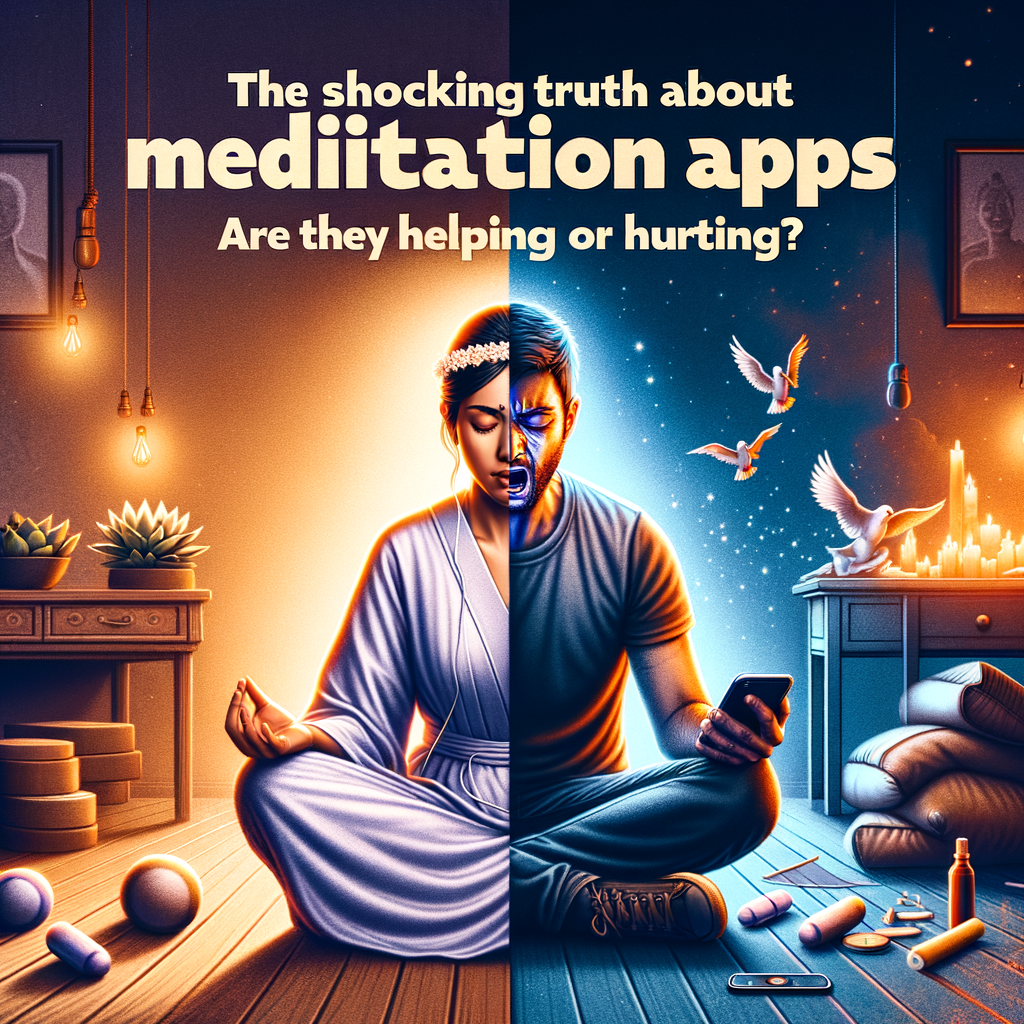
Meditation has been practiced for thousands of years, with its roots in ancient spiritual traditions. It is a practice that has been shown to have numerous benefits for both mental and physical health, including reducing stress, improving focus, and increasing overall well-being. In recent years, the popularity of meditation has skyrocketed, with millions of people around the world turning to this ancient practice to find peace and balance in their lives. One of the ways that people are accessing meditation is through the use of meditation apps, which offer guided meditations, mindfulness exercises, and other tools to help users develop a regular meditation practice. But are these apps really helping people, or are they actually hurting traditional mindfulness practices? On the one hand, meditation apps have made the practice more accessible than ever before. With just a few taps on a smartphone, anyone can access a wide range of guided meditations, from beginner to advanced levels. This has opened up the practice to people who may not have had access to it otherwise, such as those who live in areas without meditation centers or teachers. Additionally, the convenience of having a meditation app on a smartphone means that people can practice meditation anytime, anywhere, whether it’s during a lunch break at work or while waiting in line at the grocery store. However, some experts argue that meditation apps may be doing more harm than good. One concern is that the use of technology in meditation goes against the very principles of mindfulness, which is about being present in the moment and disconnecting from distractions. By using a smartphone or tablet to meditate, users may be more likely to be distracted by notifications, emails, and other digital interruptions. Additionally, some meditation apps offer features like tracking progress and earning rewards, which can turn the practice into a goal-oriented activity rather than a process of self-discovery and personal growth. Another concern is that meditation apps may be diluting the traditional teachings of mindfulness. Many apps offer a wide range of guided meditations, but they may not provide the same depth of instruction and guidance that a trained teacher can offer. This can lead to a superficial understanding of the practice, and users may miss out on the deeper benefits that come from a more comprehensive approach to meditation. Furthermore, the commercialization of meditation through apps may be contributing to a culture of “spiritual materialism,” where the practice is seen as just another commodity to be consumed. This can lead to a focus on the external trappings of meditation, such as the perfect meditation cushion or the latest app, rather than the internal work of self-awareness and personal growth. In conclusion, while meditation apps have made the practice more accessible and convenient, there are valid concerns about their impact on traditional mindfulness practices. It is important for users to be aware of these potential pitfalls and to approach the use of meditation apps with mindfulness and discernment. Ultimately, the true benefits of meditation come from a deep and sustained practice, which may be best supported by a combination of technology and traditional teachings.





Comments