

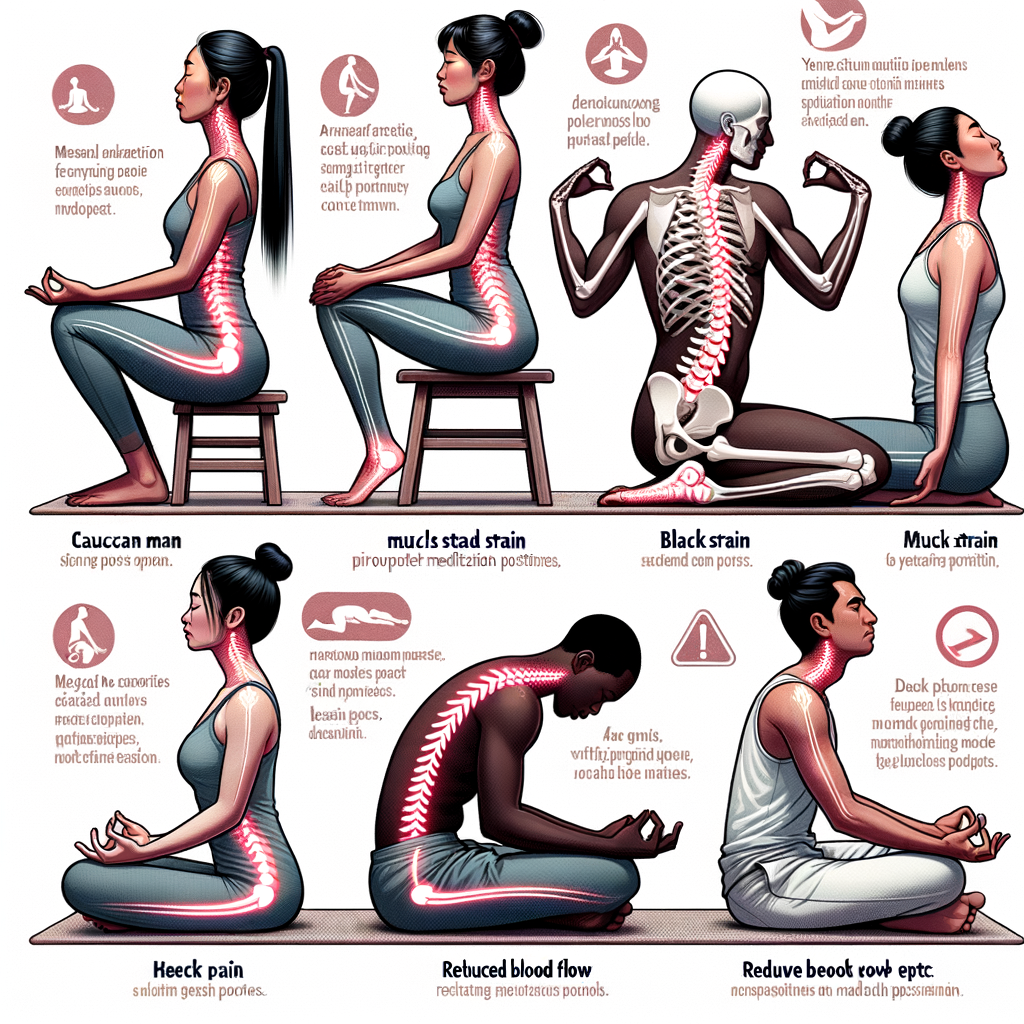
The Hidden Dangers of Improper Meditation Posture
Table of Contents
Introduction
Meditation is a practice that has been used for centuries to promote relaxation, reduce stress, and improve overall well-being. However, many people are unaware that improper meditation posture can lead to a range of physical and mental health issues. This introduction will explore the hidden dangers of incorrect meditation posture and the importance of maintaining proper alignment during practice.The Negative Impact of Poor Meditation Posture on Physical Health
Meditation is a practice that has been around for centuries, and its benefits are well-documented. It can help reduce stress, improve focus, and promote overall well-being. However, what many people don’t realize is that the way they sit during meditation can have a significant impact on their physical health. Improper meditation posture can lead to a host of problems, from minor discomfort to more serious issues like chronic pain. When meditating, it’s important to sit with a straight spine. This allows the energy to flow freely through the body and helps to prevent any blockages. Slouching or hunching over can cause the spine to become misaligned, leading to back pain and discomfort. Additionally, sitting in a position that puts pressure on the hips or knees can cause pain in those areas as well. It’s important to find a comfortable position that allows for proper alignment of the spine and doesn’t put undue pressure on any one area of the body. Another common mistake people make when meditating is sitting for too long without taking breaks. While it’s important to maintain focus during meditation, sitting in the same position for extended periods of time can cause stiffness and soreness. It’s important to listen to your body and take breaks when needed. This might mean changing positions or taking a short walk to stretch your legs. Breathing is also an important aspect of meditation, and poor posture can affect your ability to breathe deeply and fully. When the spine is not properly aligned, it can restrict the diaphragm and make it difficult to take deep breaths. This can lead to shallow breathing, which can increase stress and anxiety levels. It’s important to sit in a way that allows for deep, diaphragmatic breathing to get the full benefits of meditation. In addition to the physical discomfort that can come from poor meditation posture, there are also long-term health risks to consider. Chronic pain and misalignment of the spine can lead to more serious issues like herniated discs or sciatica. It’s important to take the time to find a comfortable and supportive position for meditation to avoid these potential problems. One way to ensure proper meditation posture is to use props like cushions or blankets to support the body. This can help to take the pressure off of the hips and knees and allow for proper alignment of the spine. It’s also important to be mindful of your posture throughout the day, not just during meditation. Practicing good posture habits can help to prevent pain and discomfort during meditation and in everyday life. In conclusion, while meditation has many benefits, it’s important to be aware of the potential dangers of improper posture. Taking the time to find a comfortable and supportive position can help to prevent pain and discomfort and allow for a more enjoyable and beneficial meditation practice. By being mindful of your posture and taking breaks when needed, you can ensure that your meditation practice is not only good for your mind but also for your body.How Incorrect Meditation Posture Can Hinder Mental Clarity and Focus
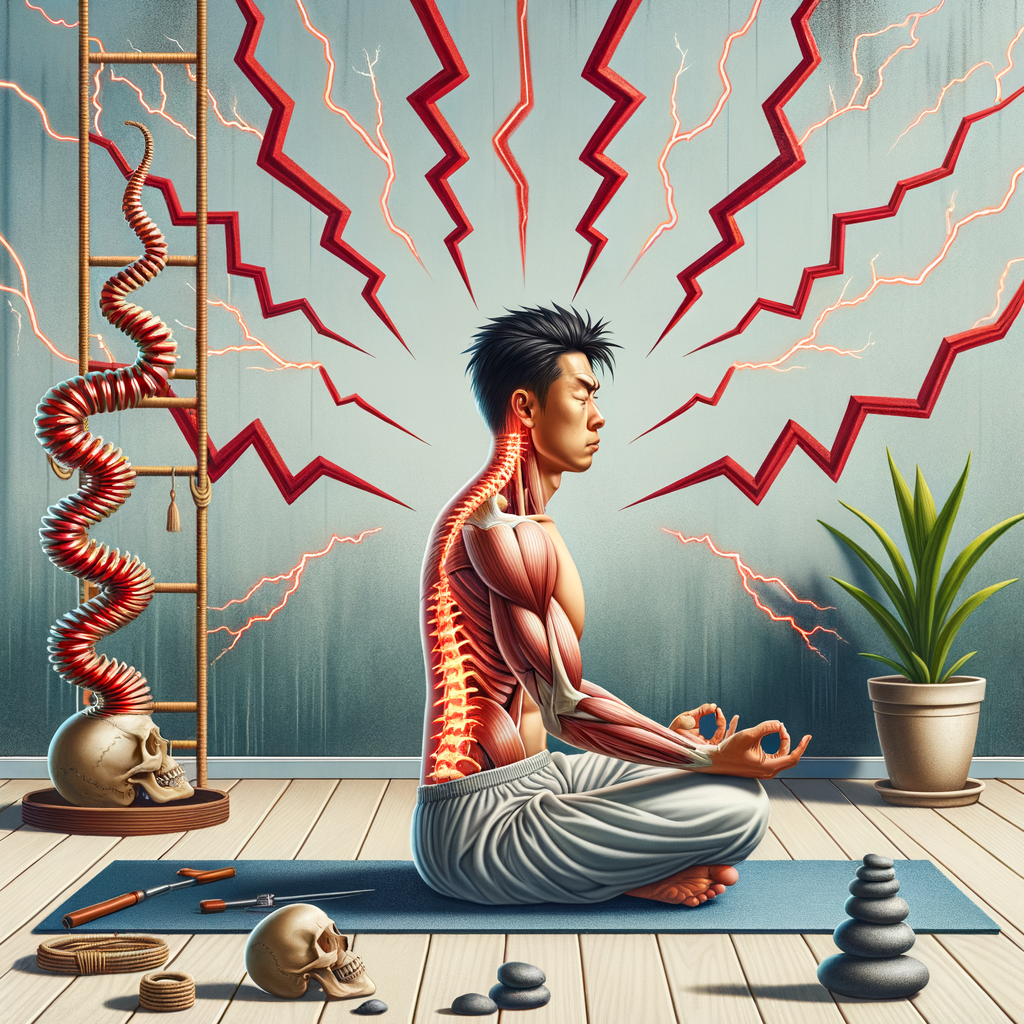
Meditation is a practice that has been around for centuries, and its benefits are well-documented. It can help reduce stress, improve mental clarity, and increase focus. However, many people are unaware that the posture they adopt during meditation can have a significant impact on the effectiveness of their practice. Improper meditation posture can hinder mental clarity and focus, and even lead to physical discomfort or injury. When meditating, it is essential to maintain a posture that is both comfortable and conducive to concentration. The most common meditation posture is to sit cross-legged on the floor, with the spine straight and the hands resting on the knees or in the lap. However, this position can be challenging for some people, especially those with limited flexibility or pre-existing physical conditions. As a result, they may adopt a posture that is not ideal for meditation, such as slouching or leaning to one side. Slouching during meditation can lead to a host of problems. It can cause the spine to curve, which can put pressure on the vertebrae and lead to back pain. It can also restrict the flow of breath, which is an essential component of meditation. When the breath is shallow or constricted, it can be challenging to achieve the deep state of relaxation that is necessary for meditation to be effective. Additionally, slouching can make it difficult to maintain focus, as the mind may become preoccupied with the discomfort in the body. Leaning to one side during meditation can also be problematic. It can cause the body to become unbalanced, which can lead to muscle strain and discomfort. It can also make it difficult to maintain a clear and focused mind, as the body’s asymmetry can be distracting. Furthermore, leaning to one side can cause the breath to become uneven, which can further hinder the ability to achieve a deep state of relaxation. To avoid these issues, it is essential to adopt a proper meditation posture. The spine should be straight, but not rigid, and the body should be balanced and symmetrical. The head should be aligned with the spine, and the chin should be slightly tucked in. The shoulders should be relaxed, and the hands should rest comfortably on the knees or in the lap. If sitting on the floor is not possible, a chair can be used, but it is important to sit with the feet flat on the ground and the back straight. In addition to adopting a proper posture, it is also essential to listen to the body and make adjustments as needed. If discomfort arises during meditation, it is important to shift the posture to alleviate the pain. This may mean changing the position of the legs, using a cushion for support, or taking a break to stretch. It is also important to be mindful of the breath and to ensure that it is flowing freely and evenly. In conclusion, the posture adopted during meditation can have a significant impact on the effectiveness of the practice. Improper posture can hinder mental clarity and focus, and lead to physical discomfort or injury. By adopting a proper posture and listening to the body, it is possible to achieve the deep state of relaxation that is necessary for meditation to be effective. With a little attention to detail, anyone can enjoy the benefits of meditation without the hidden dangers of improper posture.




Comments