

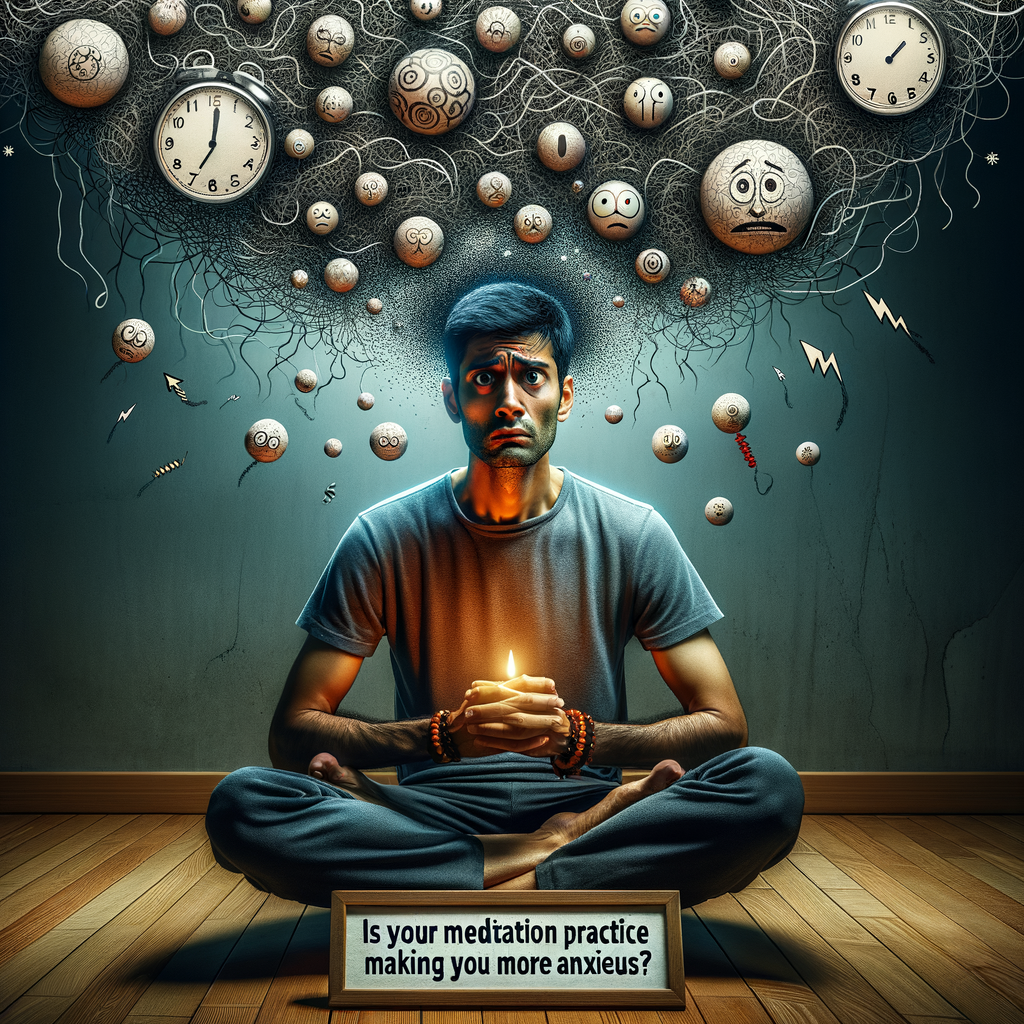
Is Your Meditation Practice Making You More Anxious? Here’s Why
Table of Contents
Introduction
Meditation is often touted as a powerful tool for reducing stress and anxiety, but for some individuals, it can have the opposite effect. If you’ve noticed that your meditation practice is making you feel more anxious, you’re not alone. This phenomenon can occur for a variety of reasons, including improper technique, underlying mental health issues, or simply not being the right fit for everyone. In this article, we’ll explore why meditation might be increasing your anxiety and what you can do about it.The Common Mistakes in Meditation That Increase Anxiety
Meditation is often touted as a panacea for all sorts of mental health issues, including anxiety. However, for some people, meditation can actually increase their anxiety levels. This may seem counterintuitive, but there are several common mistakes that people make when meditating that can lead to increased anxiety. One of the most common mistakes is trying too hard to clear the mind of all thoughts. Many people believe that the goal of meditation is to completely empty the mind, but this is not the case. In fact, trying to force the mind to be completely blank can be incredibly anxiety-provoking. Instead, the goal of meditation should be to simply observe the thoughts that arise without getting caught up in them. This can be difficult to do, especially for beginners, but with practice, it becomes easier. Another mistake that can increase anxiety is setting unrealistic expectations for the meditation practice. Some people expect to feel completely relaxed and at peace after just a few sessions, but this is not always the case. Meditation is a skill that takes time to develop, and it is important to be patient with oneself. It is also important to remember that meditation is not a quick fix for anxiety, but rather a tool to help manage it over time. Additionally, some people may be meditating in a way that is not suitable for their individual needs. For example, someone with a history of trauma may find that certain types of meditation, such as those that involve focusing on the breath, can be triggering. In these cases, it may be helpful to work with a therapist or meditation teacher to find a practice that is more appropriate. Another common mistake is not creating a conducive environment for meditation. Trying to meditate in a noisy or chaotic space can be distracting and make it difficult to focus. It is important to find a quiet, comfortable place to meditate, where one can be free from interruptions. Finally, some people may be approaching meditation with a perfectionist mindset. They may be overly critical of themselves if they are unable to focus or if their mind wanders during the practice. This can lead to feelings of frustration and anxiety. It is important to approach meditation with a sense of self-compassion and to remember that it is normal for the mind to wander. The key is to gently bring the focus back to the present moment without judgment. In conclusion, while meditation can be a helpful tool for managing anxiety, it is important to be aware of the common mistakes that can increase anxiety levels. These include trying too hard to clear the mind, setting unrealistic expectations, meditating in a way that is not suitable for one’s individual needs, not creating a conducive environment, and approaching the practice with a perfectionist mindset. By being mindful of these pitfalls and approaching meditation with patience and self-compassion, it is possible to reap the benefits of the practice without increasing anxiety.Understanding the Mind-Body Connection in Meditation and Anxiety
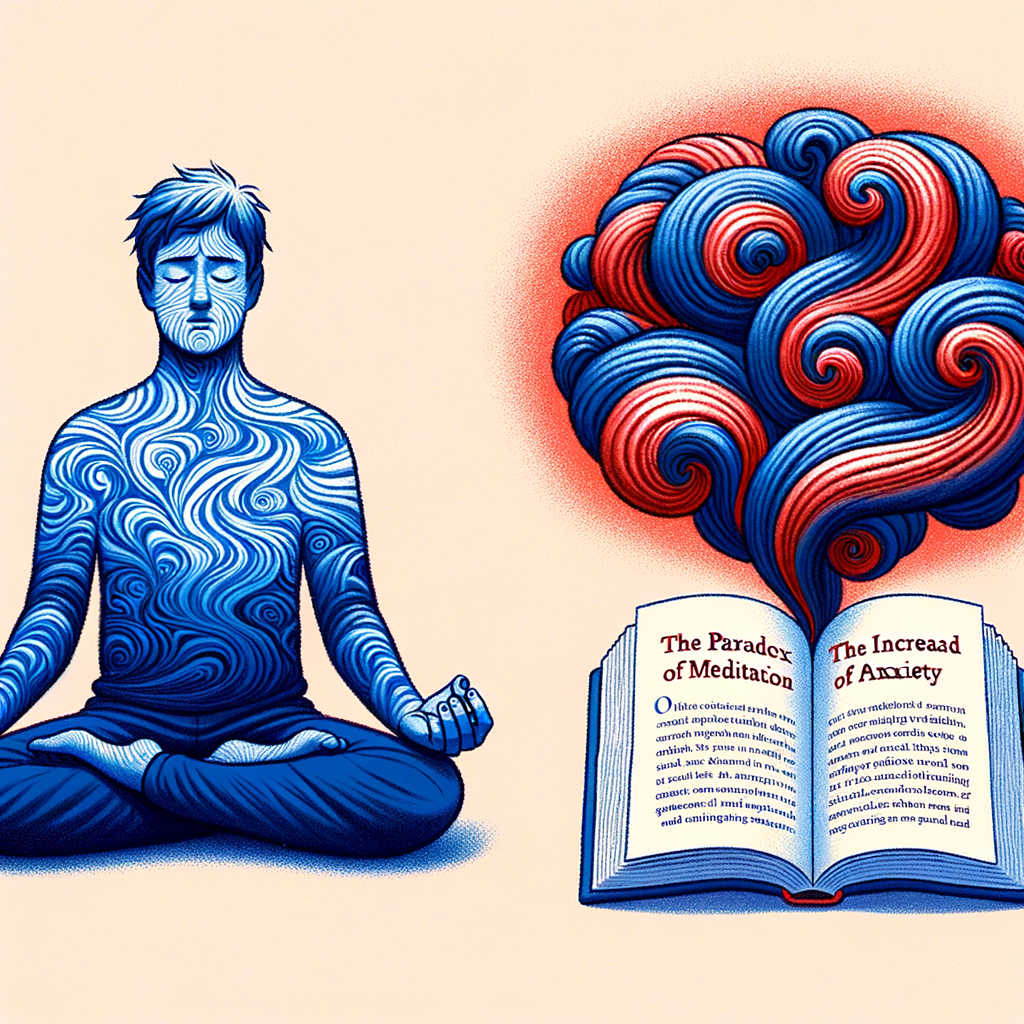
Meditation is often touted as a panacea for all sorts of mental health issues, including anxiety. However, for some people, meditation can actually exacerbate their anxiety rather than alleviate it. This may seem counterintuitive, but understanding the mind-body connection in meditation can help explain why this happens. When we meditate, we are essentially training our minds to focus on the present moment and to let go of distracting thoughts and emotions. This can be incredibly beneficial for people with anxiety, as it can help them break the cycle of worry and rumination that often fuels their condition. However, for some individuals, the act of sitting quietly with their thoughts can be incredibly anxiety-provoking. One reason for this is that meditation can bring up unresolved emotions and traumas that have been buried in the subconscious. When these feelings come to the surface, they can be overwhelming and can trigger anxiety. Additionally, the act of focusing on the breath, which is a common meditation technique, can actually cause some people to become more aware of their physical symptoms of anxiety, such as a racing heart or shallow breathing. This heightened awareness can then lead to increased anxiety. Another reason why meditation can make some people more anxious is that it requires a certain level of vulnerability. When we meditate, we are opening ourselves up to whatever thoughts and emotions arise, and this can be scary for some people. For those with anxiety, the fear of losing control or being overwhelmed by their emotions can be a significant barrier to meditation. It’s also worth noting that not all meditation practices are created equal. Some forms of meditation, such as mindfulness meditation, can be particularly challenging for people with anxiety. This is because mindfulness meditation encourages practitioners to observe their thoughts and emotions without judgment, which can be difficult for those who are used to constantly analyzing and trying to control their inner experiences. So, what can you do if you find that your meditation practice is making you more anxious? First, it’s important to recognize that meditation is not a one-size-fits-all solution. If a particular meditation technique is not working for you, it’s okay to try something else. There are many different types of meditation, and some may be better suited to your needs than others. It’s also important to be gentle with yourself and to approach meditation with a sense of curiosity rather than judgment. If you find that certain thoughts or emotions are coming up during your practice, try to observe them without getting caught up in them. Remember that it’s okay to take breaks or to stop meditating altogether if it’s not serving you. Finally, if you’re struggling with anxiety, it may be helpful to seek out the guidance of a therapist or meditation teacher who can help you navigate the challenges of your practice. With the right support, you can learn to use meditation as a tool for managing your anxiety rather than a source of stress. In conclusion, while meditation can be incredibly beneficial for many people, it’s not always the right fit for everyone. If you find that your meditation practice is making you more anxious, it’s important to listen to your body and mind and to make adjustments as needed. With patience and self-compassion, you can find a meditation practice that works for you and supports your mental health.




Comments